
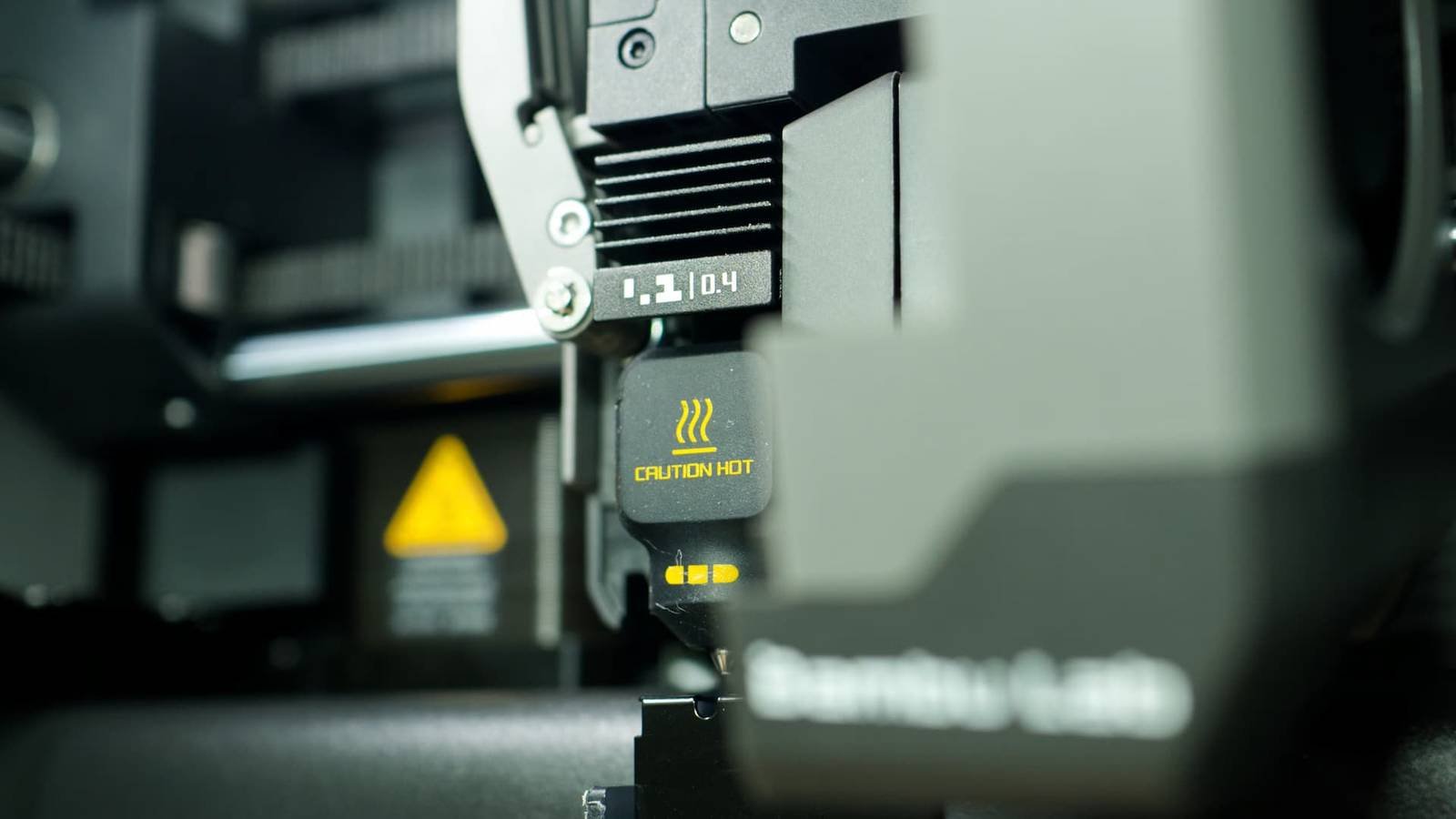
Fixing things is one of the best reasons to get a 3D printer and could give you the push you need to learn how to model things yourself. If you’re looking for inspiration, here are some examples of how a 3D printer can come in handy and save you money.
Print parts that are no longer for sale

Sometimes an appliance or tool breaks and it’s impossible to get a replacement part. If the item has a lot of life left in it, such as a power tool with a broken button but a fully functioning motor, you can try to model a replacement part and perform the repair yourself.
When someone jumped on Reddit and posted a solution for a vintage can openerat least two other people in the comments had a similar problem (and one even requested the printed file to fix it herself). Someone else created a replacement door latch and winding mechanism for a Soviet era film camera (good luck finding parts for that).
Without functional 3D printing, these items would be relegated to display pieces or, worse yet, landfills.
Expensive OEM parts

I confess that my main inspiration for writing this article is the number of fixes I have seen posted for refrigerators on Reddit over the years. It’s a problem many of us have had: a stand or shelf breaks and becomes functionally useless, then the manufacturer asks an unreasonable fee to replace it.
A 3D printer can help you repair door shelves with a stand and some plexiglass, PETG and wood scrapsor even reusing the existing broken design. The same applies to freezer compartments with broken door latches. In the past I paid to replace parts like this, but now that I have a 3D printer I prefer to spend some time on the problem and develop my modeling skills.
Toys and other items that are “not worth” repairing

If, like me, you’re not big on the throwaway mentality where things are thrown away rather than repaired, you might want to get into 3D printing. Children’s toys are particularly relevant here, and replacement parts are usually not offered, even for durable objects.
Take the humble NERF gun for example. A Reddit user identified an issue based on a missing plastic piece, guessed what the plastic piece should look like, and printed a functional replacement. Another created a 90º support for a set of poles that had broken (and now he has the model for the other side, when that one is gone).
Luggage is another example, and one user printed a replacement suitcase handle. If you go this route, be sure to print it on something sturdy, since you know what those baggage handlers are like.
High wear items

I replaced the door latch on my dryer twice in its ten year lifespan. Not only was it a mistake on the manufacturer’s part to use plastic, but this is a high-wear item that can break as it constantly rubs and impacts the latch on the inside of the door. The next time it turns off, I turn the printer on.
Hinges are another high-wear item, so you may find yourself in the same position as another Reddit user whose dryer door hinge broke. the person posted a photo Three years after modeling and replacing the part with a PETG print, and it’s still going strong. They even improved the design with some screws added for reinforcement.
The microwave is another appliance that tends to get used to a lot. Most of the time, the latch will fail before the electronics. When the door no longer closes, the microwave is no longer useful. TO replacement latch can come to the rescue and you may not even need to model it yourself.
Knobs are another part that can crack, break, and fall off. You may find an item at a thrift store that is in excellent condition, other than missing a knob. As long as you can figure out how the mount works, there’s nothing stopping you from printing your own.
Sure, the replacement may not be as strong as the injection molded original, but once you have a solution, you can print it again (and maybe use PETG or ABS next time).
Things Your Landlord Won’t Fix
Before I bought the place I live in now, dealing with landlords and property managers was the bane of my existence. Fixing things was such a difficult ordeal that I chose my battles carefully and endured everything else. A 3D printer fits the bill, as repairs can be as temporary or inexpensive as you like.
When you rent, you can’t necessarily gut the place and work on a permanent solution. Therefore, what is left are “permanent temporary” solutions that remain in place until they fail or you move. An example of this is a hinge spacer to prevent the door from dragging on the floor. Another is a printed frame for an affordable doorbell replacement that fits the previous model.
Small improvements to items you don’t want to replace

Sometimes there are things around the house that work well, but require a little adjustment to eliminate friction or a point of failure. A good example is a faucet that looks good but it wobbles too much when you move your head.
Another example could be a wifi signal booster for better coverage, or supports for sensors and other smart home upgrades.
Essential items that can’t wait.

As someone who can’t function without their glasses, I’m not sure what I would do if something happened and I had to wait two weeks for a replacement pair to show up. That explains why I’ve seen so many 3D printed glasses repair published online, mainly for broken arms.
Another good example of an item that typically can’t wait is a plastic-covered faucet. Typically this would require using a pair of pliers to exert enough force on the key to turn the lock. A Reddit user did this by pausing the print at the halfway point and adding the key to a channel and then print over it.
A massive greeting to the r/functionalprint community on Reddit, which is where I found so many inspiring designs. If you’re feeling handy, you might also be interested in listening How you can use a 3D printer to improve your power tools.



