

The lives of princesses in ancient Egypt are often described as luxurious and sheltered, surrounded by servants in sprawling palaces. However, a new look at the burial chambers of some ancient Egyptian princesses reveals that they also carried out specialized physical activities and knew how to use weapons.
A team of researchers studied the mummies of six royal women from the Middle Kingdom, some of whom were buried with objects such as bows and arrows, objects traditionally associated with men. Scientists have long debated whether weapons found in the tombs of ancient Egyptian princesses were ceremonial or functional. In other words, did the princesses use the weapons they were buried with?
By analyzing their bones, researchers discovered that the princesses were very physically active in ways consistent with the use of the weapons buried next to them. The findings are detailed in a study published today in Frontiers in Environmental Archeology.
Not your average princess
The mummies were originally found in the 1890s at Dahshur, a pyramid complex located southwest of Cairo. They were later rediscovered in 2020 during a conservation project for the Egyptian museum after being lost for years.
Four of the six women were sisters: Princess Ita, Princess Khenmet, Princess Itaweret, and an unnamed woman tentatively identified as Princess Sathathormeryt; They were all daughters of Pharaoh Amenemhat II.
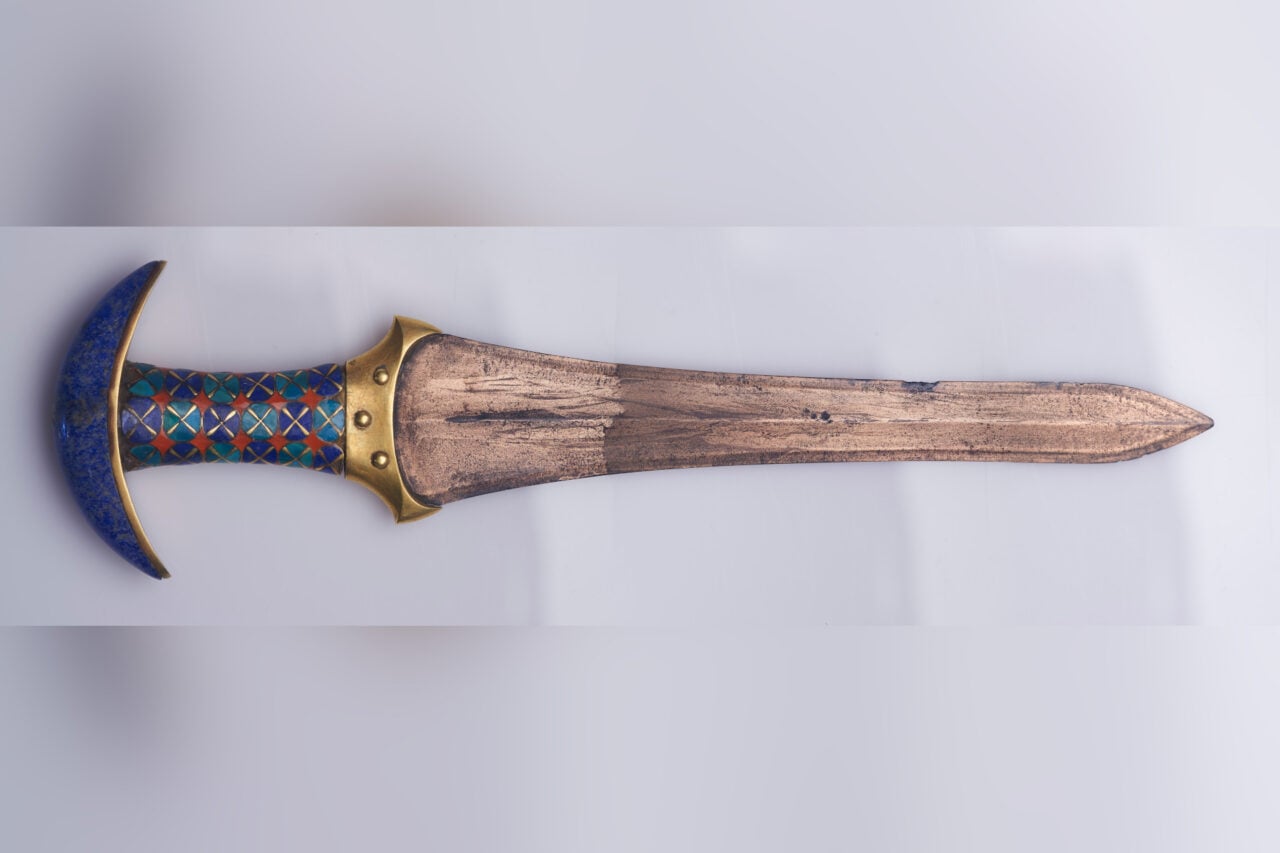
The four princesses were buried in identical underground chambers, which contained objects such as bows and arrows. A particularly striking dagger was buried next to Princess Ita. The other two mummies belonged to Princess Noub-Hotep and King Hor, who were also buried with similar objects.
Archaeologists analyzed their bones to determine their age, height and sex, as well as any illnesses or injuries. The sisters’ remains indicated a strong muscular union, revealing that the women were quite vigorous and probably engaged in activities associated with the weapons found in their graves.
“We found pronounced development in the upper extremities of these individuals, which correlates with repetitive and high-intensity actions, such as pulling a bowstring or stabilizing a weapon, showing that these activities were common throughout their lives,” Zeinab Hashesh, a professor at Beni Suef University and lead author of the study, said in a study. statement. “This directly explains the presence of bows, arrows and maces in women’s tombs; these were not just symbolic gifts but tools that they actively used.”
Work hard, train harder
According to the study, Princess Ita showed strong insertion of the upper body muscles, suggesting that she used weapons such as maces or daggers. Princess Itaweret’s skeleton revealed that she was a skilled archer who had survived broken ribs and broken feet, while Princess Khenmet had strong ligaments.
“These injuries were likely caused by accidents, falls, strong blows or other impacts related to an active lifestyle, whether through hunting, military training or other demanding activities,” Hashesh said.
The mummies of Princess Noub-Hotep and King Hor showed similar evidence that they were archers. The findings suggest that members of the royal family were actively involved in physically demanding activities such as archery and hunting, as reflected in the way their bones developed to withstand intense muscle use.
The researchers behind the study hope to go beyond simply identifying the real women and help reconstruct their full life stories.
“Their objects and jewelry are truly fascinating, impressive in their craftsmanship,” Hashesh said. “However, while archaeologists have long focused on preserving these treasures, the people themselves were often forgotten. Our study seeks to change that.”



