
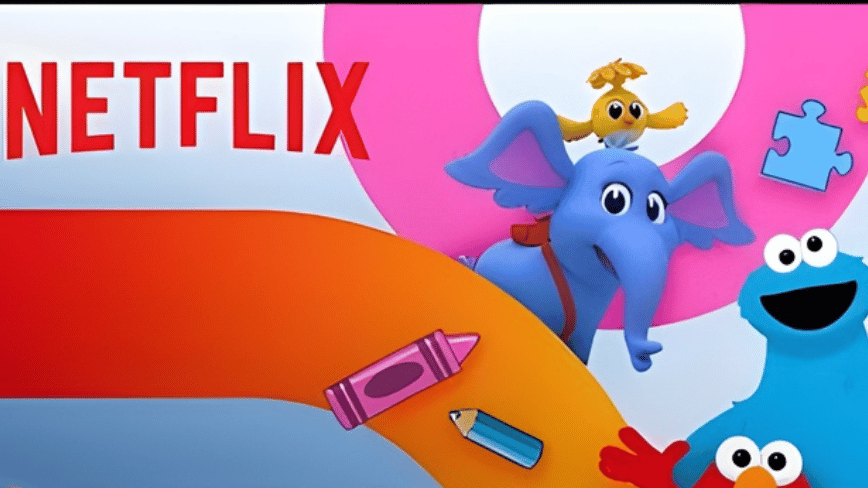
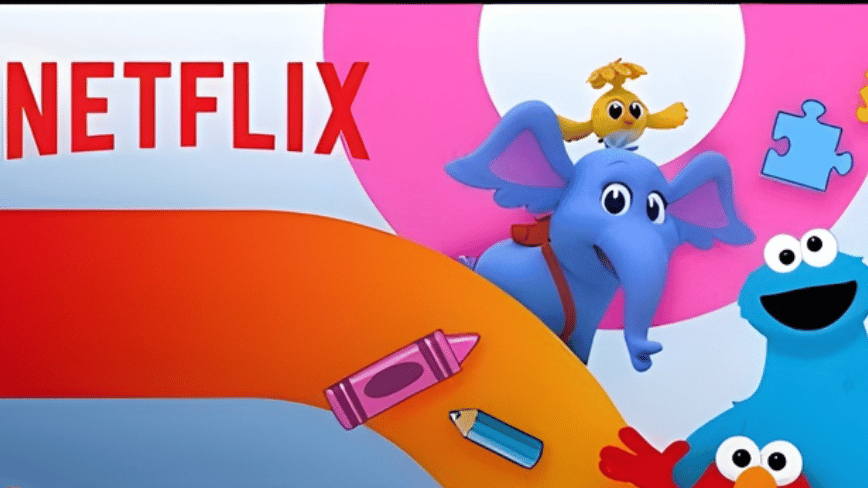
In brief: netflix has launched Netflix Playground, a dedicated standalone gaming app for kids eight and under, bundled into existing memberships with no ads or in-app purchases and full offline support, positioning it directly in front of Apple Arcade in the family market.
Netflix has quietly extended its gaming ambitions to the family market with the launch of Netflix Playground, a standalone mobile app built around licensed children’s IPs, from Peppa Pig to Sesame Street. The app was launched on April 6, 2026 in the United States, Canada, the United Kingdom, Australia, the Philippines, and New Zealand, and is scheduled for a global launch on April 28.
The move comes as Netflix enters what may be its most strategically important push into gaming since it first included mobile titles with its subscription in November 2021. Rather than continuing to add gaming content to the main Netflix app, Playground splits the offering into a specially designed product, one that parents can hand to a child without any risk of them accidentally navigating to adult content, an ad, or a tempting in-app purchase screen.
What Playground offers at launch
The app is designed for children under eight years old and is included in all Netflix memberships at no additional cost. Everything on it is available offline, a deliberate design decision that Netflix describes as “the perfect companion for long plane rides or shopping trips.” There are no ads, no in-app purchases, and no additional fees.
The launch content includes eight titles based on Netflix’s existing children’s IP library: “Playtime With Peppa Pig,” “Sesame Street,” “Dr. Seuss’s Horton!”, “Dr. Seuss’s The Sneetches,” “Dr. Seuss’s Red Fish, Blue Fish,” “Bad Dinosaurs,” “StoryBots” and “Let’s Color.” Additional titles featuring characters from Gabby’s Dollhouse, PJ Masks, My Little Pony, and PAW Patrol are expected to appear later in 2026.
The app is available on both iOS and Android. In the Apple App Store, it has a 4+ age rating.
Part of a broader children’s content campaign
Netflix announced Playground as part of a broader package of children’s content announcements. In addition to the app, it confirmed new seasons of “Ms. Rachel” and “Sesame Street,” new episodes of “CoComelon Lane” and “Mark Rober’s CrunchLabs” and the theatrical film “Gabby’s Dollhouse: The Movie,” arriving May 23, 2026. The timing underscores that Playground is not an isolated product experiment, but rather a component of a coordinated strategy to deepen the platform’s control over viewing time in homes, particularly among parents and young children who drive some of Netflix’s most difficult interactions.
The logic behind the wheel is simple: a child who plays Peppa Pig is more likely to watch episodes of Peppa Pig, and vice versa. For Netflix, which ended 2025 with 325 million paid subscribers worldwide, that type of product interaction bolsters retention without requiring incremental spending on content. It’s the same logic: locking audiences into a proprietary ecosystem across overlapping content touchpoints, which supports Meta’s $27 billion infrastructure deal with Nebiusalbeit on a very different layer of the stack.
The evolution of Netflix games
Netflix’s journey into gaming hasn’t been easy or quick. The company launched mobile games within its app in late 2021 and spent the next two years experimenting with scope, opening and then closing an in-house AAA game studio before releasing a single title. By 2024, it had narrowed its strategy to four priority genres: conventional, narrative, children’s and party. By early 2026, the catalog had grown to more than 90 mobile and cloud titles, all included in subscriptions at no additional cost.
Alain Tascan, who joined Netflix as president of games in July 2024 from his previous role at Epic Games, has been the architect of this refocused approach. At GDC 2025 he described reducing friction as the central goal: “A big change in strategy is really making sure that we’re removing any friction that someone might encounter when they want to play.” Playground is the most direct expression of that principle, a product so friction-free that handing it to a four-year-old requires no setup, wallet or worry.
The Apple Arcade Comparison
The most immediate competitive framework for Playground is Apple Arcade, Apple’s $6.99-a-month subscription gaming service, which offers more than 200 titles without ads or in-app purchases. The two products share a philosophy: premium, selected, subject to subscription and without advertising, but they differ in audience and economics. Apple Arcade is not specifically aimed at children and costs extra; Playground is designed exclusively for young children and is included in a Netflix subscription that most households already pay for.
That grouping advantage is significant. Netflix doesn’t need to persuade parents to pay for another gaming subscription on top of the one they already have. The risk, familiar to anyone who has seen The era of ChatGPT ads is coming In the broader digital landscape, it’s that bundles erode perceived value over time, that parents come to see games as a throwaway feature rather than a reason to maintain their subscription. Netflix seems to be betting that quality, IP recognition, and offline capability will prevent it.
The strategic commitment to the young public
The children’s entertainment market is one of the few segments of digital media that has really increased its share of attention in recent years. Roblox, YouTube Kids, and games built into streaming platforms have shown that the line between watching and playing has blurred for children in a way that has yet to be fully replicated for adults. Netflix has seen it in its own data: Squid Game: Unleashed, released along with the second season of the drama at the end of 2024, accumulated 42 million views at the end of that year. Children’s titles, by their nature, attract even more repeat play than those for adults.
There is a data dimension to this that deserves attention. An app designed for children eight years old and younger, linked to a Netflix account and capable of learning play patterns sits at the intersection of children’s data protection and commercial product design. Netflix says Playground does not include ads or data-driven monetization of gaming behavior, but as the broader platform Cybersecurity and AI governance As the challenges increase in 2026, parents and regulators will be watching how those safeguards are maintained.
Netflix has also been undergoing major structural changes. Co-CEO Greg Peters described 2026 as the year Netflix would expand cloud gaming to smart TVs globally, allowing users to play on a TV using their phone as a controller. That cloud shift goes hand in hand with a broader shift in the industry in which Microsoft’s own AI models and platform investments are redefining the competitive surface for anyone trying to own a piece of home care. Playground, for now, is only for mobile devices. Whether it will eventually migrate to the living room, and whether a four-year-old with a game controller on a 65-inch screen represents a feature or liability for parents, will be one of the most interesting product questions Netflix faces as the platform matures.
For now, the company has done something rarer than it seems in the consumer technology industry: it has launched a children’s product that appears to have been designed primarily with children in mind. No ads. No purchases. Frictionless. In an era of relentless tech monetizationThat moderation is itself a statement, even if the underlying business logic is as calculated as everything else Netflix does.



