
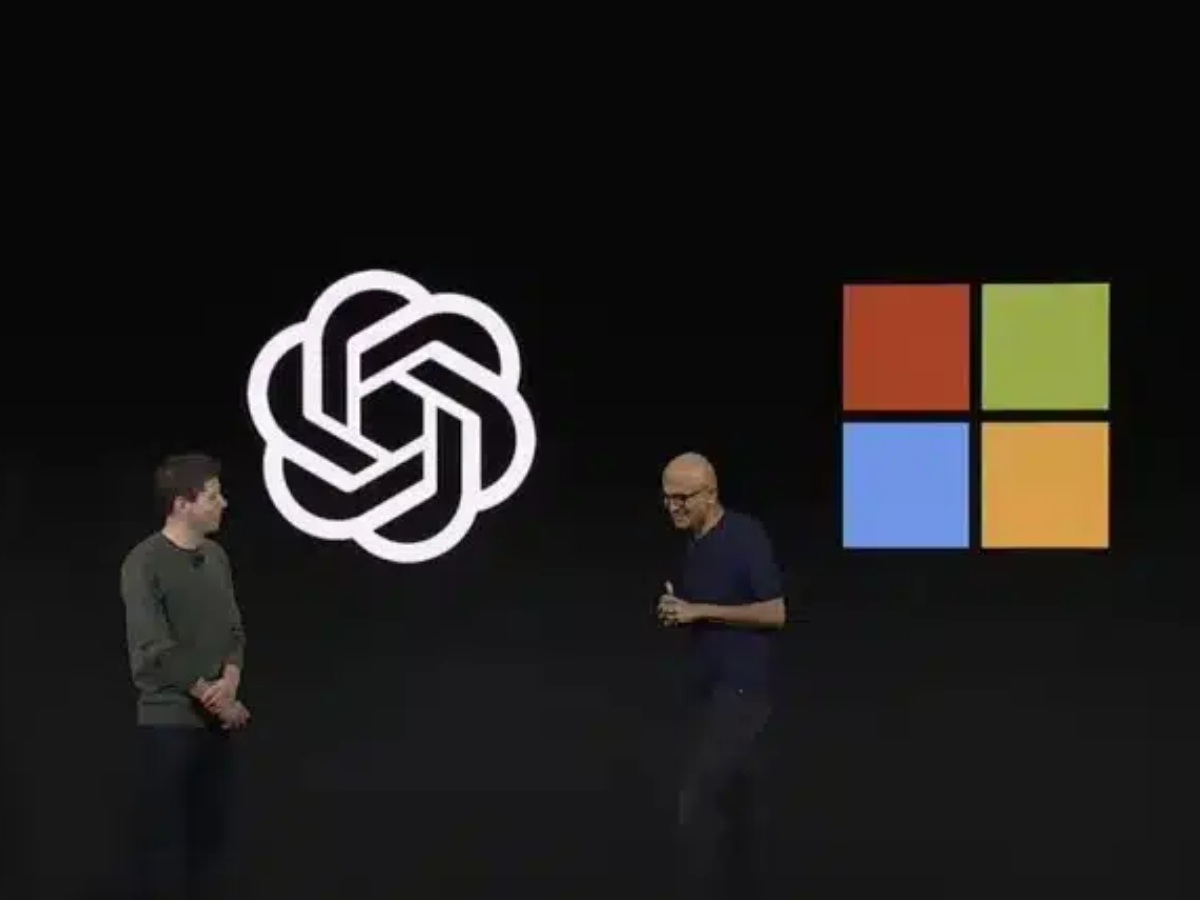
microsoft and Open AI have announced a new partnership agreement that ends the cloud-only agreement that has been in place since 2019. OpenAI can now offer its products on any cloud provider instead of being limited to Azure.
Under the new terms, Microsoft remains OpenAI’s primary cloud partner. OpenAI products will continue to be released first in Azure unless Microsoft cannot or chooses not to support the necessary capabilities. Microsoft also retains a license to OpenAI intellectual property for models and products until 2032, although this license is no longer exclusive.
Key changes in the new Microsoft-OpenAI agreement
OpenAI’s revenue-sharing payments to Microsoft will now be subject to an overall cap and will continue through 2030. The deal is structured so that it is not dependent on OpenAI’s progress in developing artificial general intelligence. Microsoft no longer needs to evaluate its response if OpenAI reaches this milestone, simplifying a previously complex provision of its agreement.
Microsoft still has a significant equity stake in OpenAI. As of the October 2025 deal, its investment in OpenAI Group PBC was valued at approximately $135 billionrepresenting approximately 27% in diluted form.
How the New Deal fits into OpenAI’s broader cloud partnerships
The restructuring comes after OpenAI’s major partnership with Amazon was announced two months ago. Amazon agreed to invest up to 50 billion dollarsand OpenAI expanded its existing agreement with AWS by $100 billion more than eight years. The relaxation of Azure exclusivity reflects OpenAI’s growing relationships with multiple cloud providers.
For Microsoft, these changes could affect upcoming financial reports. Analysts will pay attention to how the company reports its limited revenue sharing payments and reduced exclusivity in its AI investment disclosures.
GPT-5.5 It is now generally available in Microsoft Foundry via Azure. Microsoft describes the model as offering improved agent coding, better long-term context reasoning, and greater token efficiency for enterprise deployments.




