
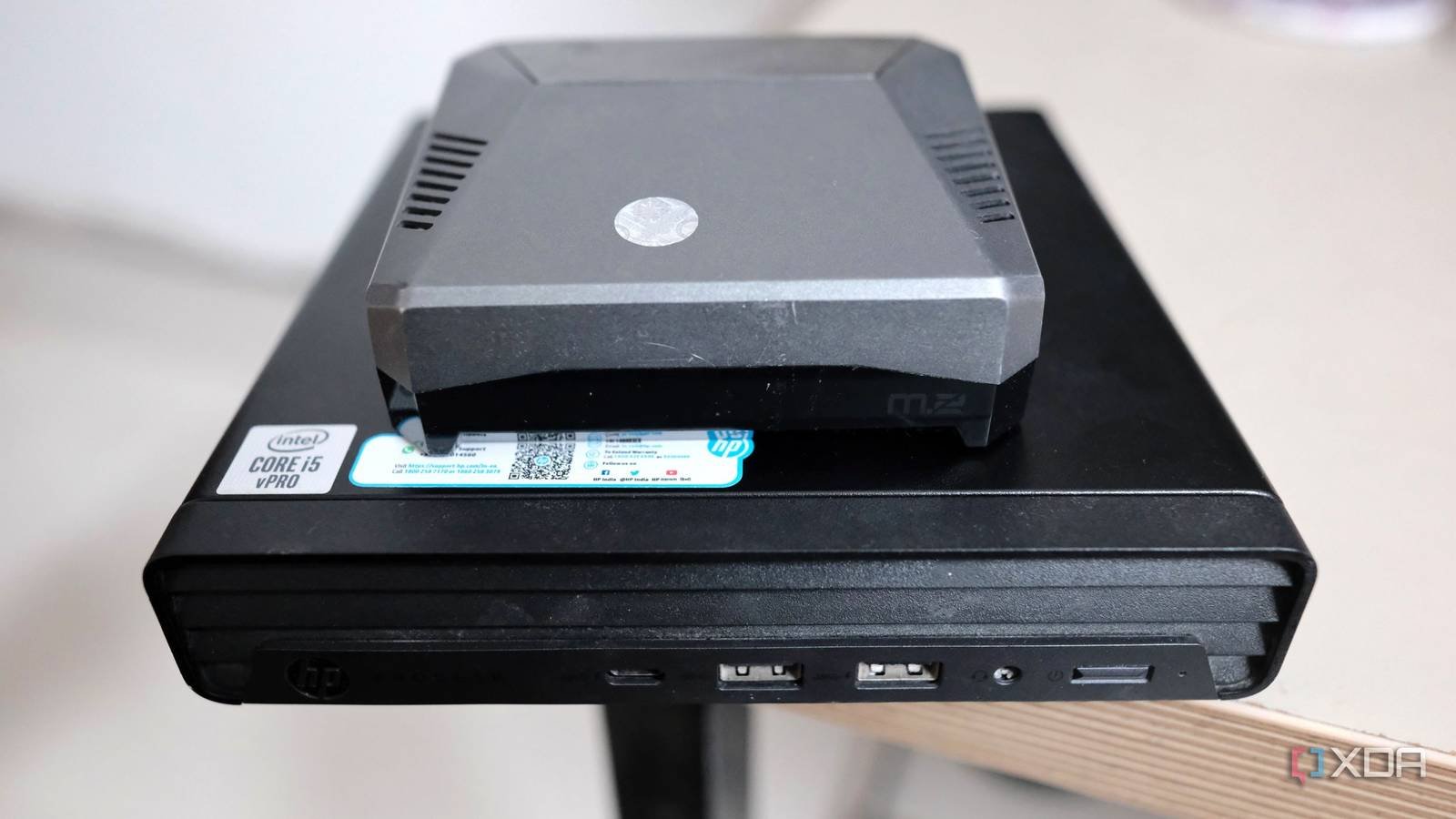
I ran Home assistant on a Raspberry Pi 4 for more than a year. although he Pi booted from an NVMe SSDThe Pi’s 4GB memory limit became hard to ignore while building ESPHome devices. I recently moved Home assistant for a mini PC and I almost gave up on the Pi, as it was just sitting in the corner doing nothing.
So I set it up from scratch and gave it a network monitoring task. Along with a mini PC, the Pi 4 is an essential part of my home lab, keeping an eye on my network whether I’m at home or not. Honestly, it turned out to be much better than running it as a smart home hub.
Pi-hole manages DNS for my entire home network
Removing upstream dependency

with a Headless OS on Piinstalling Pi-hole felt like an obvious move to keep trackers and malicious sites out of the entire network. This change made the browsing experience noticeably snappier on phones, tablets, smart TVs, and computers. The setup took me less than 15 minutes, but I spent a lot of time pruning the Adlists to keep only the necessary ones.
Instead of trusting Cloudflare and Google’s public DNS servicesI paired Pi-hole with a local recursive DNS resolver: Unbound. That prevented my DNS queries from reaching external providers. Unbound resolves all DNS queries directly from your root servers. And that completely eliminated third-party DNS providers.
Offloading DNS to a dedicated, always-on machine keeps the router and mini PC focused on their workloads without sharing resources. Once configured, Pi-hole and unbound just run it without any maintenance cost.
Pi 4 tells me what is happening on my network
Router only shows device list
My router only shows which devices are connected to the home network. I can’t see what those devices are doing, how much bandwidth they’re consuming, or if they’re calling home. then i NetAlertX installed and ntopng to close that gap.
On the Pi, ntopng runs passively to reveal bandwidth-hogging devices, active protocols, and if anything seems unusual. I can now identify the sources of bandwidth spikes that previously went unnoticed. It helped me solve the mystery of midnight traffic spikes: device backups.
Ntopng also revealed all the background chatter, such as ad targeting requests, software update checks, and telemetry reports, that devices generate even when no one is using them.
NetAlertX watches for devices joining the network and sends an alert when something unknown appears. Flag devices that the router interface doesn’t show, especially those that keep coming and going at odd hours.
Finally, Kuma Uptime Monitors all self-hosted services including Home Assistant, Jellyfin, Immich and mini PC. I get an alert if any of the services or virtual machines on the mini PC suddenly go silent.
Tailscale makes the entire stack remotely accessible
Installation is easy and clean.
Monitoring the network and self-hosted services stack is useful at home, but I also wanted to access that stack even when I was away. So I installed Tailscale on the Pi 4 instead of a mini PC. This is not a typical “remote access” setup for my home network. Using Tailscale, I directly access the network monitoring dashboards.
I have a two-node setup with one node running the Pi 4, allowing me to access the NetAlertX, ntopng, Pi-hole, and Uptime Kuma dashboards to check the status of my home network from anywhere. Plus, I get a notification if the mini PC goes down.
The mini PC runs another Tailscale node to allow me to access it remotely VMs running on Proxmox. If my mini PC fails, I can still access my network monitoring stack, especially when I’m away from home.
The entire setup took 15 minutes without forwarding ports, changing firewall rules, or tracking IP address changes. Tailscale turned out to be the right tool to get to the Pi reliably and with minimal maintenance.
Assigning a new role to the Pi 4
The Pi 4 didn’t need to be replaced; I just needed a better job. It’s not the most powerful machine in the home lab, but it still consumes between 3 and 5 watts to run the battery. It’s a small price to pay for services that operate 24 hours a day.
The Pi 4 just needs to be on and running something reliably so the mini PC can run without distractions. The clean separation between the two machines makes things easier. When something breaks, it’s immediately obvious which box I should inspect first.
The most important thing is that it now always monitors my entire network. It notifies me when something breaks and I can even access it remotely. By handling everything the mini PC doesn’t need, the Pi 4 earns its place in my home lab by doing less, but better.

- Storage
-
microSD card slot
- UPC
-
Arm Cortex-a72 (quad core, 1.8 GHz)
- Memory
-
1GB, 2GB, 4GB or 8GB of LPDDR4
- Operating system
-
Raspberry Pi (Official)



