

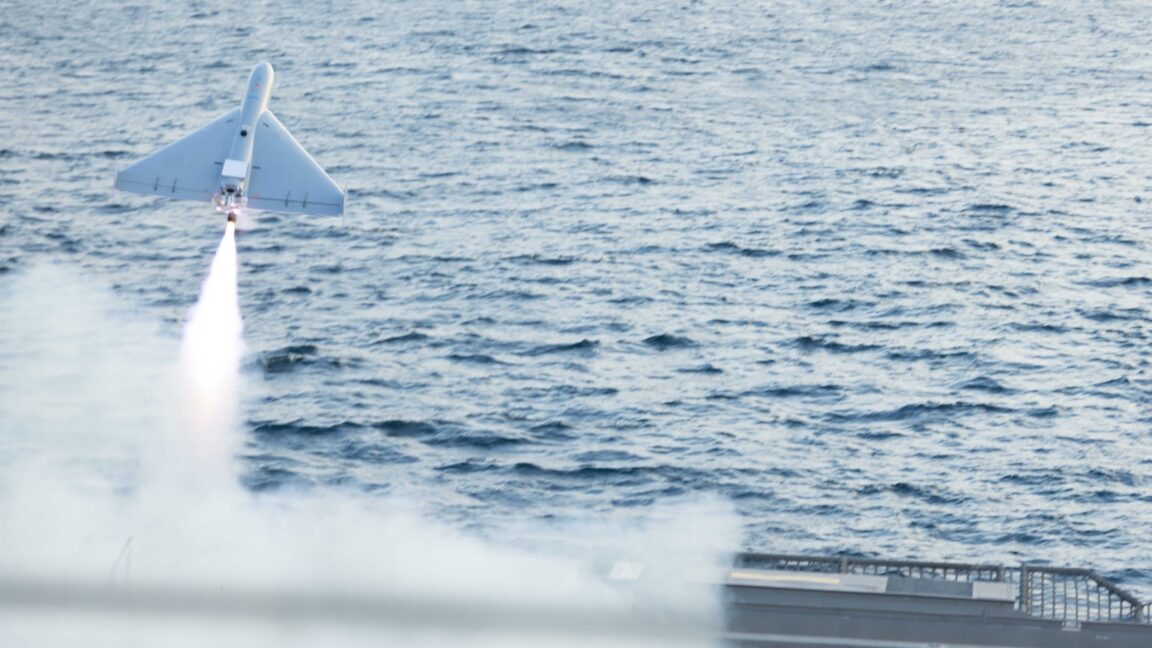
SpaceX and the Pentagon have been arguing over the price of using the Starshield satellite service during the Iran war, according to a reuters report published today. SpaceX appears to have asked the military for more money after starting to use satellite terminals on “kamikazes” attack drones in Iran.
SpaceX CEO Elon Musk said the Reuters report is incorrect. But Musk also said that the military drones initially used the commercial Starlink service instead of the government-specific network, in violation of Starlink’s terms of service. Musk blamed the breach on the contractor who built the drones for the government.
The Reuters report, based on Pentagon documents and interviews with sources familiar with the pricing talks, said SpaceX recently asked the military to pay $25,000 for access to Starshield on each kamikaze drone. The Pentagon, which previously paid $5,000 for each connection, opposed the price increase but ultimately agreed to pay it, according to Reuters.
While the $25,000 charge is a monthly fee for the satellite connection provided to a satellite terminal, the terminals are being used with drones that only take one-way trips before hitting targets and detonating on impact.
Starshield is a network for government entities and is based on Starlink technology. Musk wrote in a x publication today that the “Reuters article is false.” But in the same post, he appeared to confirm a dispute over how the military used SpaceX satellite technology.
“They misused the civilian Starlink system for military purposes. Direct violation of terms of service,” Musk wrote today, appearing to indicate that the military used the commercial Starlink system when they should have been using Starshield.
Musk later said the drones were configured incorrectly by a military contractor. “There is a SpaceX arm of the US government called Starshield, which has a different set of satellites than Starlink, which is for civilian use. The company that makes the suicide drones incorrectly used the civilian system, instead of Starshield.” musk wrote.



