

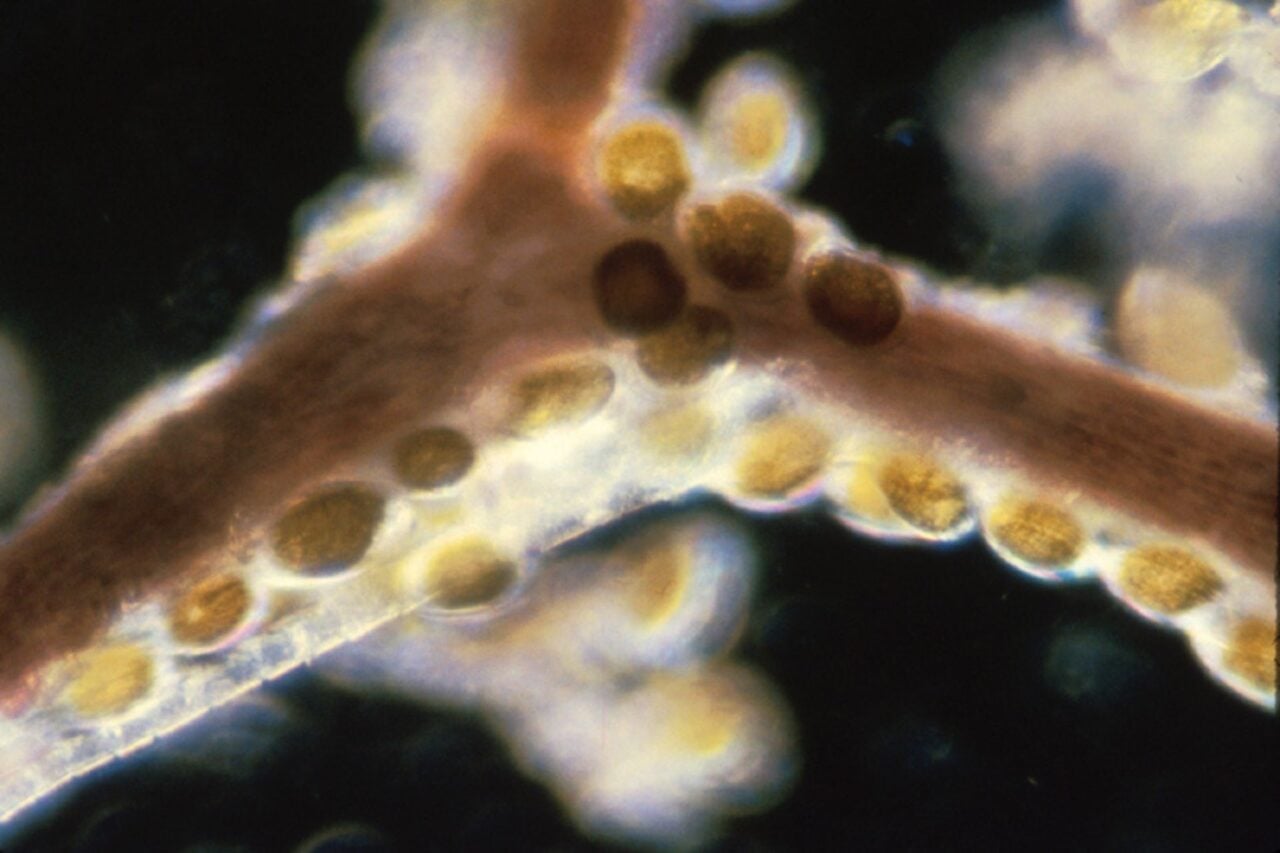
The Lincoln Memorial Reflecting Pool in Washington, DC is not the only place facing an algae problem. A recent report from the Centers for Disease Control and Prevention shows that foodborne toxins produced by seaweed and other marine life routinely make Americans sick.
CDC scientists analyzed surveillance data from foodborne outbreaks in the U.S. dating back more than a decade. They found that since 2011, there have been hundreds of outbreaks linked to marine toxins, often coming from fish or shellfish filled with algal toxins. Worse yet, the risk of these outbreaks could increase over time due to more frequent spread and proliferation of harmful algae, researchers warn.
“The geographic expansion, increasing frequency, and increasing intensity of harmful algal blooms in US coastal waters could increase the presence of ciguatoxin and shellfish-associated toxins in aquatic animals,” they wrote in their paper. published last week in the CDC’s Morbidity and Mortality Weekly Report.
Marine toxins
Marine toxins are the leading cause of non-infectious foodborne outbreaks. But according to the CDC authors, this is the first report to summarize the cost of these outbreaks on a national level.
These toxins usually come in two flavors. Certain seaweeds can produce neurotoxins; The most common ones related to human diseases are called ciguatoxins. Small fish will eat the algae, which will then be eaten by other fish and so on. Although ciguatoxins are not harmful to fish themselves, they can accumulate in marine predators as they move up the food chain, and large fish like sea bass or snapper can contain enough ciguatoxin to sicken or even kill people who eat them. Shellfish that filter feed on algae can also accumulate dangerous levels of biotoxins, particularly when there is an algae bloom.
The other common type of marine toxin illness is called scombroid fish poisoningreferring to the family of fish that usually causes it (scombroid fish include tuna and mackerel, although some other species from other families can also cause it). When these fish are improperly stored at too high a temperature for too long (more than 40 degrees Fahrenheit (4.4 degrees Celsius)), the bacteria inside will break down an amino acid called histidine into histamine and other scombroid toxins. Eating these histamine-laden fish can trigger an allergy-like reaction.
CDC researchers analyzed data from its Foodborne Illness Outbreak Surveillance System. They found that between 2011 and 2023, 402 foodborne outbreaks related to marine toxins were reported. These outbreaks caused at least 1,280 illnesses, 96 hospitalizations and one death. Almost all outbreaks (95%) involved scombroid toxins (192 outbreaks) or ciguatoxins (189 outbreaks). Shellfish toxin outbreaks were much less common, but often more serious, with at least 25% of reported illnesses leading to hospitalizations.
The researchers note that these figures are almost certainly an underestimate. There are no readily available diagnostic tests for marine toxin poisoning in humans, and both sick people and their doctors may not consider these toxins as a likely source of illness, while many doctors may not be aware that such cases should be reported to their local health department.
to do
Unfortunately, marine toxins are resistant to standard food safety methods, such as cooking. They are also odorless and tasteless, although fish with scombroid toxins can sometimes have a “honeycomb” appearance or metallic taste. And although many cases of marine toxin poisoning cause only mild or short-term illnesses, some people will experience severe or prolonged symptoms that last months or even years.
That said, there are still ways to reduce the risk of these outbreaks, the authors say.
“Prevention of scombroid toxin poisoning relies on ensuring adequate temperature control of seafood; a better understanding of food safety practices for imported fish and restaurant food handlers is critical to prevention efforts,” they wrote. “The majority of outbreaks caused by ciguatoxin and shellfish-associated toxins involved recreationally harvested marine products. Specific messaging about affected areas and species is essential for the prevention of algal toxin outbreaks related to recreational fishing.”



