

The interesting thing about a brilliant idea is that, like everything else, it will eventually go out of style. However, unlike everything else, someone will end up reinventing it years or even decades later. It may not be an exact replica of the original concept and it may have a totally different name, but its very DNA is strongly reminiscent of an idea from the past.
One such case is Steam, which has revived a practice that was a mainstay of the PC gaming market in the early 2000s. And while it has a different name and a very different delivery method, it’s a glorious return to a concept that helped put so many developers on the map before the turn of the 21st century.
Shareware began its breakthrough in the 1980s.
The ‘free trial’ of the time

The beginning of our history dates back to 1983, when programs were distributed mainly on floppy disks. At the time, people used words ending in the suffix -ware to describe the legal rights to copy and distribute software. While making a copy of a company’s floppy disk without permission was illegal (much like pirating a game on the Internet), there was also free software, an application that cost nothing and could be shared freely.
Back then, we saw the beginnings of free software testing. This was called shareware and the idea was that it included software with a limitation, such as reduced features or an expiration timer. The idea was that the shareware version of the software would be completely legal to copy and give to your friends, hence the name “shareware.” Copying the fully paid application was still illegal, but you could create as many diskettes of the shareware version as you wanted.
Then the game developers entered the picture. They had one big problem: they had no reliable way to spread their games. This was before the Internet was a common utility and gaming magazines hit the mainstream. Instead, they harnessed the power of shareware. The idea is that the developer releases the first chapter or levels of the game as shareware, which people can copy and share as much as they want.
Once the player finished the shareware version, the game would display instructions on how to unlock the rest of the game, which usually involved mailing money to the developer’s headquarters. Yes, this was before emails and PayPal existed; His orders went directly to the developers, who made the discs themselves.
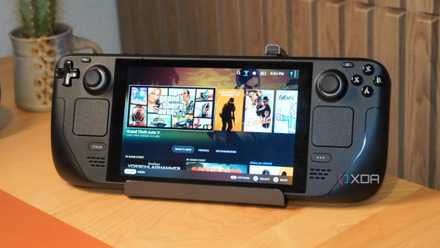
Some of today’s biggest developers made their breakthrough through shareware.
It was more influential than you think.
The practice of game shareware began in 1987, when Apogee Software founder Scott Miller distributed his newest game, Kingdom of Kroz, as episodes. The first episode was shareware and acted as a hook to get people to buy the rest of the game.
Other developers we know and love today would adopt what would become known as the “Apogee model” to generate interest. Tim Sweeney, whose company would eventually become Epic Games, launched the first puzzle adventure game world. AT THE MOMENT as shareware, which helped spread the word and gain popularity.
id Software used the model to release demos of Commander Keen, Wolfenstein 3D, and his magnum opus, Condemn. Once again, the shareware model helped Condemn It achieved great popularity at the time and established a series that we still enjoy today.
Shareware would eventually die out in the early 21st century, when the Internet became a great tool for developers to spread news about their games. Some games didn’t even need a free demo; They could be released as free games and give people most of the game at no cost. Over time, the practice of releasing a demo for a PC game declined, only to re-emerge about 20 years later.
Steam Next Fest brought back the fun of shareware
Although it is no longer called ‘shareware’

In 2021, Valve had a great idea: what if developers could release demos of their games, which Valve would bill as part of a big event celebrating the long-forgotten practice of playing a bunch of free samples? To make its idea a reality, Valve invented Steam Next Fest, where full game releases took a backseat, allowing demos to dominate the store.
The idea was a huge success and we now see Steam Next Fests regularly. What’s fascinating, though, is how Steam demos have evolved since the days of shareware. You will no longer have to make physical copies of the game, because you can download them yourself from Steam. And finding the demos was as easy as browsing Next Fest and finding something that clicks.
But the power of marketing remains the same. While shareware gives you a piece of an existing game, Next Fest lets people upload demos of games they’re still working on. This allows people to wishlist the titles they want, which in turn increases the signals that Steam sends to the titles when they are finally released. Additionally, it allows developers to gather pre-release feedback and modify the game before its release.
Steam Next Fest gives developers the same marketing tools that helped the big names in the ’80s
While game demos are not a new technology, they tend to evolve with the technology of the time. It’s nice to see Valve not only carrying the torch, but dedicating an entire event to spreading information about the games people are working on.



