Physical Address
304 North Cardinal St.
Dorchester Center, MA 02124
Physical Address
304 North Cardinal St.
Dorchester Center, MA 02124

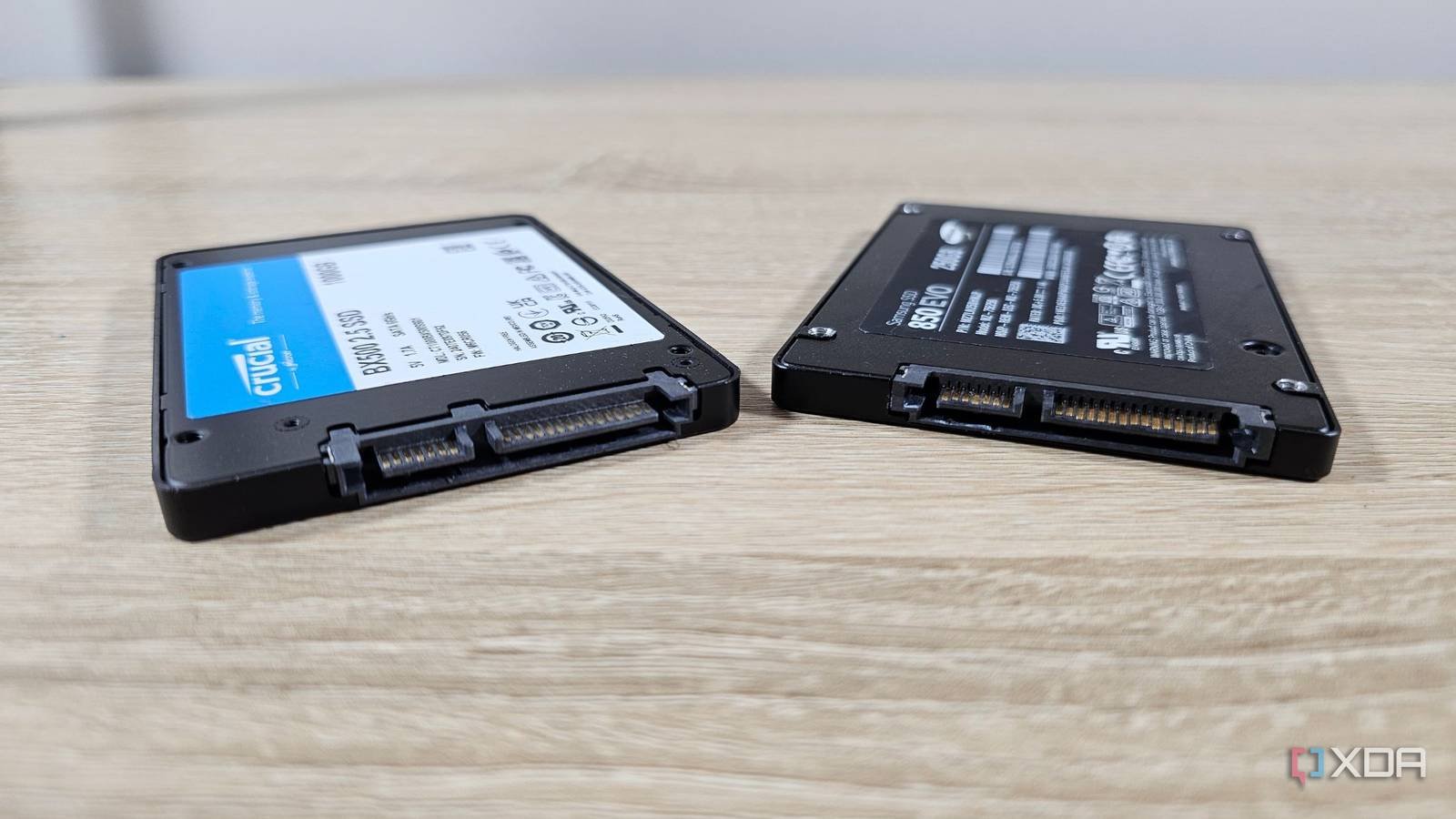
Buying storage is not an easy task as it currently stands. He DRAM crisis has affected RAMof course, but solid state storage has been hit hard. It may not be as difficult as memory, but it still uses the same components, just not in such abundance. That makes hunting for deals even more crucial, and despite what conventional wisdom may tell you, buying a used enterprise SSD is a great way to save money while getting a high-performance SSD.

Used enterprise storage is not the same as used consumer storage
You would do well to be wary of the latter.

Like much equipment used in the business sector, SSDs have a certain lifespan before they even reach a data center, and I’m not talking about a TBW rating. Data centers will update their hardware on a set schedule to deal with random failures, and the drives are included in that. The vast majority of drives they replace have not yet come close to failure, but in mission-critical environments, it is worth replacing them early rather than risking a failure that could cause downtime. For you, a consumer, this means that there are many units that have a lot of life left on the market.
Used enterprise SSDs often give you more real hardware for your money
They are built different

Enterprise SSDs are designed for environments where drives are written to constantly, often all day long. That means manufacturers build them with durability and consistency in mind, rather than just the maximum benchmark numbers a unit can achieve. Compared to consumer drives, enterprise models typically feature significantly higher endurance ratings, better sustained performance under heavy workloads, and protections that most consumer SSDs lack.
An example is protection against power loss. Many enterprise drives include built-in capacitors that allow the SSD to finish writing data to flash memory if the system suddenly loses power. In consumer units, that feature is so rare that it might as well not even exist.
Greater endurance is a key advantage that enterprise SSDs have over consumer drives. Enterprise SSDs are typically rated for many drives per day (DWPD), meaning they can be fully written multiple times a day for years. While most home users will never stress a drive this hard, that means these drives often have enormous remaining life even after being used in a data center. In practical terms, this means that a used enterprise SSD can sometimes offer much better durability and consistency than a new consumer drive at the same price.
This second-hand market exists because of fear
Or because there is a lack of knowledge

If enterprise SSDs are so good, why aren’t they purchased like consumer drives are? The answer is twofold: They weren’t designed with consumer PCs in mind, and most people don’t know if they can use them in their system. Enterprise drives frequently use interfaces and form factors that are completely foreign to buyers who are used to standard M.2 or SATA drives, and this is one of the main reasons for hesitancy around these drives.
Many enterprise NVMe drives come in a U.2 or U.3 form factor, which is more like a small 2.5-inch drive but connects via PCIe. Others appear as PCIe add-in cards designed for server slots, or even use SAS, a storage interface typically found in enterprise RAID controllers rather than desktop motherboards.
However, for anyone comfortable with adapters or basic compatibility research, this creates an opportunity: an NVMe U.2 drive combined with a simple PCIe adapter can offer terabytes of high-endurance storage for a price that would barely buy a conventional consumer SSD.

Many Used Enterprise SSDs Are Bad Buys
It’s not worth putting all of them in your system

The most common mistake people make is purchasing SAS drives without realizing what they are. SAS drives require a SAS controller or a compatible RAID card, which most consumer PCs do not have. Without that hardware, the unit simply won’t work.
Another problem is excessive wear. While enterprise SSDs are designed for heavy workloads, some drives on the used market may have already consumed a large percentage of their rated life. Without checking SMART data or sellers’ verified health reports, buyers may end up with a boost much closer to retirement than expected.
Older enterprise PCIe drives can also be tricky. Early NVMe models may look attractive on a dollar-per-terabyte basis, but they can run hot, consume a significant amount of power, or offer performance that modern consumer SSDs can easily match. In some cases, a newer consumer NVMe drive is simply the best option.
Then there are the odd OEM-specific units that have unusual firmware, mounting requirements, and/or form factors that make them highly impractical outside of the exact servers they were designed for.
Once you know how to spot the red flags, you’ll be able to find plenty of deals.
Buy from reputable sellers and check health data SMART can eliminate any drives that are not worth using in the long term. Despite being a risky business with consumer SSDs, buying used company SSDs may be one of the smartest storage upgrades you make in 2026. The trick is understanding what you’re really buying. Avoid SAS drives unless you already have the right hardware, check drive health whenever possible, and stick to form factors you know you can connect to your system. Do that and the second-hand business market will become much less intimidating.