

When Anthropic first revealed Mythos in April, it sent a shock wave of anxiety through much of the cybersecurity sector. The new AI model was supposedly so ruthlessly effective at finding and exploiting security vulnerabilities in existing software that the company said it was delaying its public release and would only do so. grant access to a small group of first ratersincluding the United States National Security Agency (NSA).
Another wave of fear resonated this week after the NSA reportedly discovered multiple vulnerabilities within their own cybersecurity systems during their testing with Mythos. If Mythos can hack that agency, which supposedly has the most impenetrable cyber defenses in the world, what hope does the rest of the world’s cybersecurity infrastructure have?
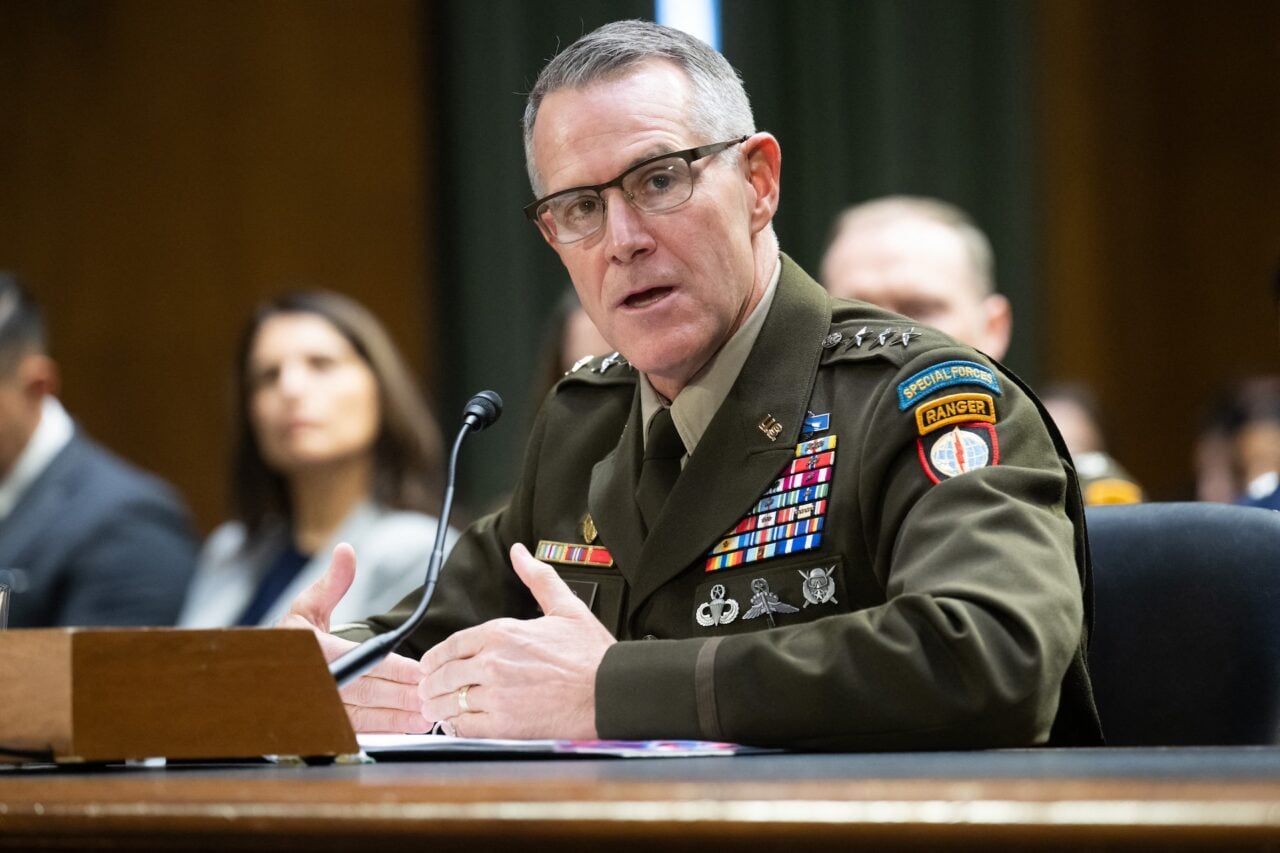
This latest round of panic began with what appears to have been a kind of game of telephone: someone says one thing, which another repeats, and another thing after that, and along that chain of communication, the original statement becomes distorted. Last week, The Economist reported that during a June 11 hearing before the Senate Banking, Housing and Urban Affairs Committee, Democratic Sen. Mark Warner of Virginia said Mythos had broken into “almost every (NSA) classified system, not in weeks, but in hours.” Warner said he had received that information from the NSA chief himself, General Joshua Rudd, who also heads the Pentagon’s Cyber Command division. On Monday, a coalition of intelligence agencies (including the NSA and its counterparts in Canada, the United Kingdom, Australia and New Zealand) issued an unusually public warning that the risk that AI now poses to cybersecurity warrants a “whole of society response.”
Some saw The Economist’s report as evidence that the worst fears about Mythos were true, a reaction that was no doubt also fueled by the aura of power and mystery that has coalesced around the model in recent months. That aura has arguably been a blessing for Anthropic, which recently usurped OpenAI as the most valuable startup in the world and is preparing for what is expected to be a historic initial public offering.
But it has also been a contributing factor to its latest skirmish with the Trump administration, which ordered the company earlier this month to restrict all foreigners’ access to Fable 5, a “Mythos-class” model that had recently been made available to the public and was built with safeguards that some users found were annoyingly strict. Citing national security concerns, the administration invoked an obscure piece of export control legislation, a measure that, According to some legal experts, it is spurious.. Meanwhile, many cybersecurity experts, argument that the ban would cripple US cybersecurity defenses and give an advantage to adversaries like China.
That argument was apparently vindicated by a Tuesday report from the New York Times that said Trump’s ban, which also targeted another model called Mythos 5, which had only been made available to a small group of organizations, had ended the NSA’s internal testing with Mythos, and that the administration was now working with Anthropic to restore the agency’s access for limited national security-related purposes. The NSA did not immediately respond to Gizmodo’s request for comment.
That same Times report also clarified that the NSA’s internal tests with Mythos were less apocalyptic than online rumors might suggest. According to federal officials cited in the report, the tests were carried out in a digital environment so tightly controlled that it is highly unlikely that any hacker or foreign intelligence agency could replicate them. Officials also told the Times that while Mythos was able to identify cybersecurity vulnerabilities, it did not actually exploit them.
The author of the Economist report (the one that had been the initial cause of all the concern) also admitted that his description of the NSA’s testing with Mythos had been misleading. The tests “probably involved using Mythos in conjunction with other tools under very particular conditions,” he wrote in a x publication on Sunday. “I cited (Senator Warner) to give an idea of the power of Mythos. But it was a mistake not to have added warnings.”



