
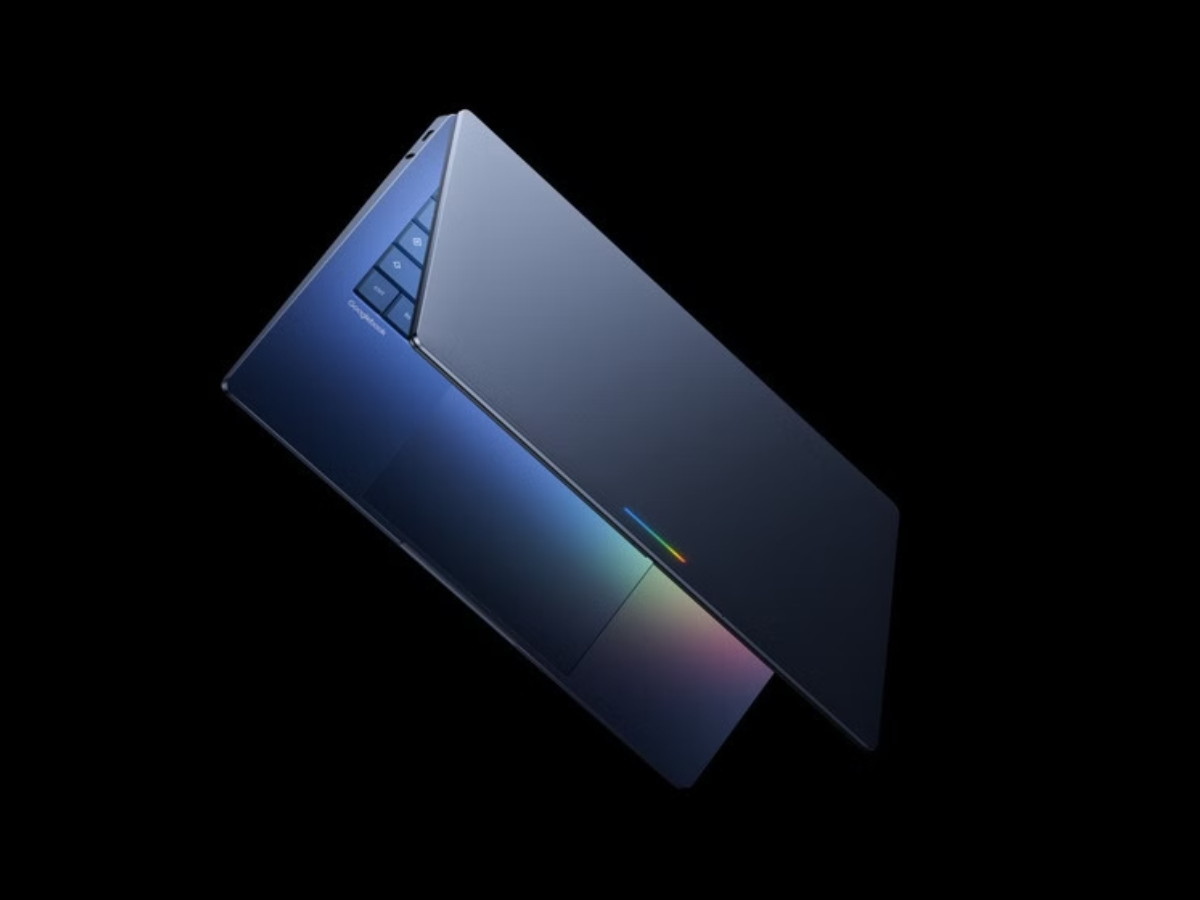
Google has announced google booksa new line of premium laptops that run on an Android-based operating system instead of Chrome OS. These devices will have AI Gemini integrated into the entire system. The laptops will launch later this year through partnerships with Acer, ASUS, Dell, HP and Lenovo. Google has not revealed pricing details.
Located on top of the existing Chromebook lineup, which currently spans from $200 to $500 In the US, Google aims to enter the premium consumer laptop market, which is largely dominated by Windows and macOS devices.
Integration of Googlebooks operating system and Gemini AI
Google Books runs an operating system that Google describes as a combination of ChromeOS and Android. The Android codebase serves as the core, and the plans were confirmed by Android head Sameer Sama last year.
Gemini AI integrates directly into the operating system rather than running as a standalone application. Demos by Alexander Kuscher, senior director of laptops and tablets at Google, include features like Magic Pointer. This tool activates when the cursor moves and shows contextual AI suggestions based on what is over it. For example, hovering over a date in an email offers options to view the calendar, compose a reply, or suggest meeting places via Google Maps.
Another feature is drag-and-drop image composition, which allows users to select multiple images and generate a composition without opening a separate AI tool. The system also supports Android apps, which run in their original vertical format on the desktop, similar to Apple’s iPhone mirroring.
Google has not commented on whether user photos or other content processed by these AI functions can be used for training.
Googlebook hardware, Chromebook questions, and other Google I/O announcements
Google describes the laptops as being built with “top quality craftsmanship and materials” by its associated manufacturers. The lid features a Google-branded light bar.
When asked, Google had no comment on the future of the Chromebook line. Chromebooks are widely used in education and are expected to continue serving that market. In addition to the Googlebook reveal, Google announced more features:
Gemini Intelligence is expanding to high-end Android devices, including Samsung Galaxy and Google Pixel phones. This includes functions such as completing online forms, summarizing websites, and rewriting voice messages to text to eliminate pauses and natural speech artifacts.
Pause pointA new feature in Android 17, allows users to mark specific apps as distractions. When these apps are opened, the phone prompts users to pause and reconsider before continuing.
Screen reactions is another new Android feature that allows users to record videos of their device’s screen with an overlay camera of themselves in the corner, designed for reaction-style content on social media.
Context of the launch of Googlebooks and market challenges
Google launches Google Books amid a drop in PC demand. IDC predicts PC shipments will fall 11.3 percent in 2026. The shortage of DRAM and NAND chips, driven by demand for AI infrastructure, has increased component prices across the industry.
Samsung recently warned of its first potential quarterly loss in its mobile division, while Nintendo has raised the price of the Switch 2 by $50. Details such as pricing, full hardware specifications, and a confirmed release date for Google Books have yet to be announced.




