
Google is turning Search into a fully AI-powered experience.
On Tuesday, the tech giant announced an AI-powered revamp of its most popular feature.
“Now, we’re entering the next chapter of Google Search, where incredible AI features aren’t just in Search; Google Search is AI Search through and through,” Elizabeth Reid, who leads Google Search, said at the company’s annual I/O conference. “We are now entering the era of search agents.”
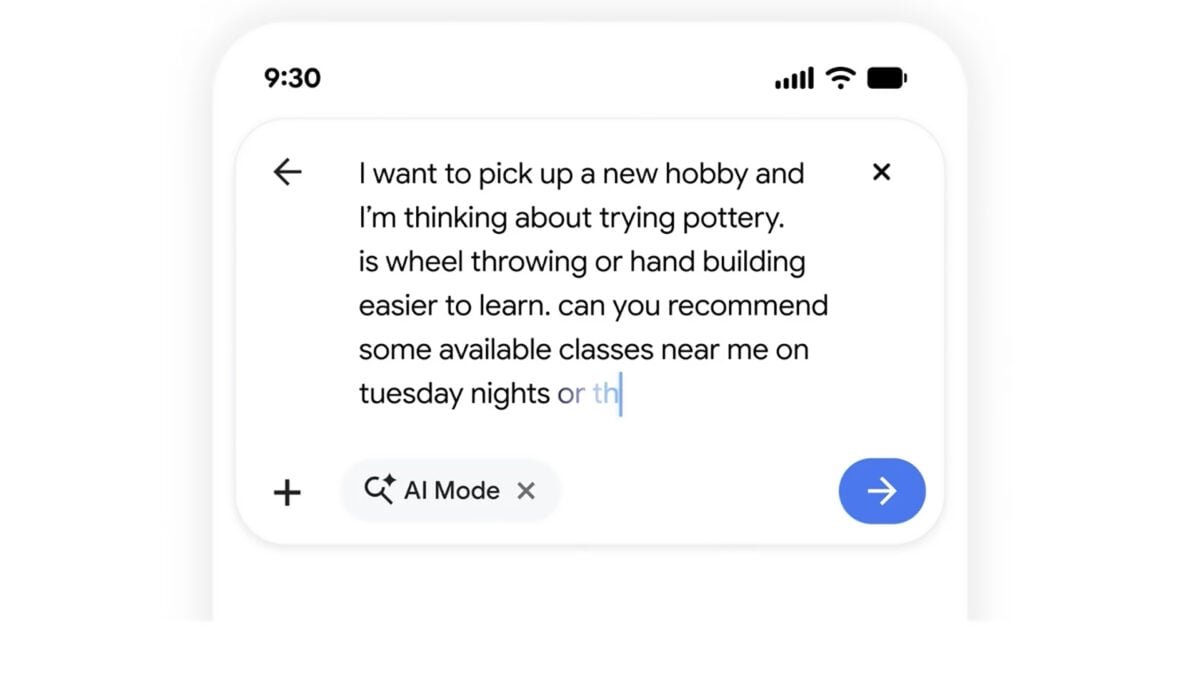
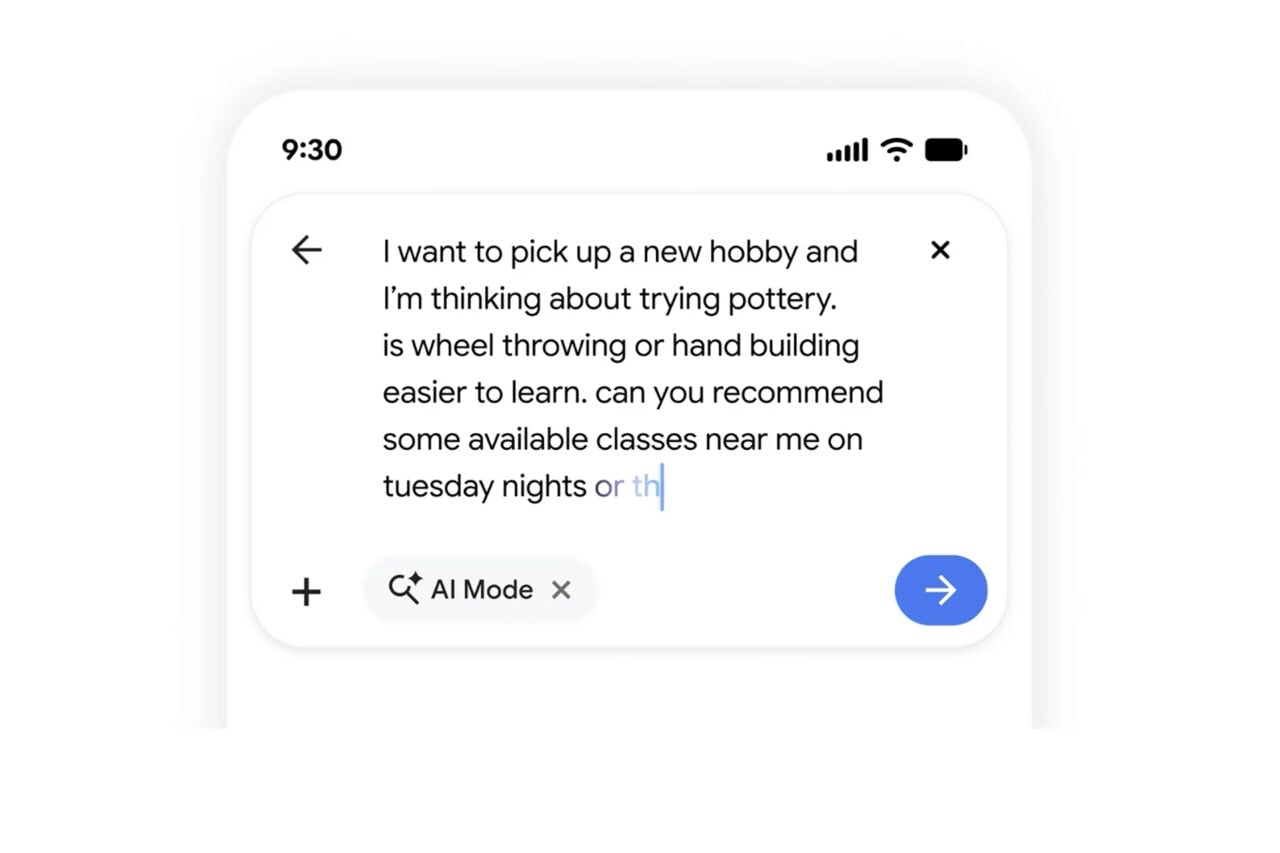
Some of the more front-facing changes are hitting the search box. Powered by the company’s latest Gemini model, the new AI-powered search box will allow users to place images, files, videos, or even Chrome tabs as input. If you still choose to search by text, the search box will go beyond the usual autocomplete to use AI-powered suggestions for your queries.
The results page will still look the same, at least if you search by text, but now if you ask the AI Overview feature any follow-up questions, you’ll be redirected to AI mode. Using Google’s Personal Intelligence feature, the new AI-integrated Search will also be able to access applications from across Google’s portfolio, such as Gmail or Google Calendar.
“This is the biggest update to our iconic search box since its debut more than 25 years ago and is starting to roll out today,” Reid said.
The tech giant’s push into agent search also includes AI agents integrated into the search experience, which will also debut later this summer. That includes what Reid called information agents, to whom the user can assign specific tasks such as finding an apartment for rent in a specific neighborhood and with a certain budget or monitoring stock prices. Agents will work on assignments “24/7 in the background,” Reid said, and send you updates when an apartment that fits your needs comes on the market or there’s a notable move in a stock you’ve been keeping an eye on.
In addition to information brokers, Google also announced that users can now create “applets” to perform specific tasks. For example, if you’re trying to lose weight, you can ask Search to create a fitness tracker. It will create a custom dashboard that you can return to whenever you need to ask a related question. Custom “mini-app” features will be available in the coming months, Google said, and will first roll out to Google AI Pro and Ultra subscribers in the US.
The changes will take time to arrive. Google first incorporated AI into its search feature with AI Overviews in May 2024. Then, a year later, at the I/O 2025 conference, the tech giant introduced AI mode. Since then, Reid says AI Mode has surpassed more than 1 billion monthly users, and AI Mode queries “have more than doubled every quarter since its launch.”
Generative AI was also expected to take the throne of general search engines at some point. So much so that last year, Google scored a victory in an antitrust trial, even though the judge had previously declared that the tech giant’s search business was a monopoly. In it decisionThe court decided that although chatbots are not yet close to replacing search engines, that is where the industry was expected to evolve.
The rise of generative and agent AI has already significantly disrupted the Internet. Experts widely claim that search engine optimization is now practically deadas users lazily rely on AI summaries to find information, despite persistent hallucinations. In the meantime, the new Search features will surely increase the proportion of online traffic driven by bots. The online dominance of artificial intelligence, in turn, has jeopardized the business models of many companies and organizations that rely on clicks to stay afloat.
Since its founding, Google Search has become the leading digital gateway to the Internet for users around the world. Now, with the latest AI revamp, Google is changing the locks.



