
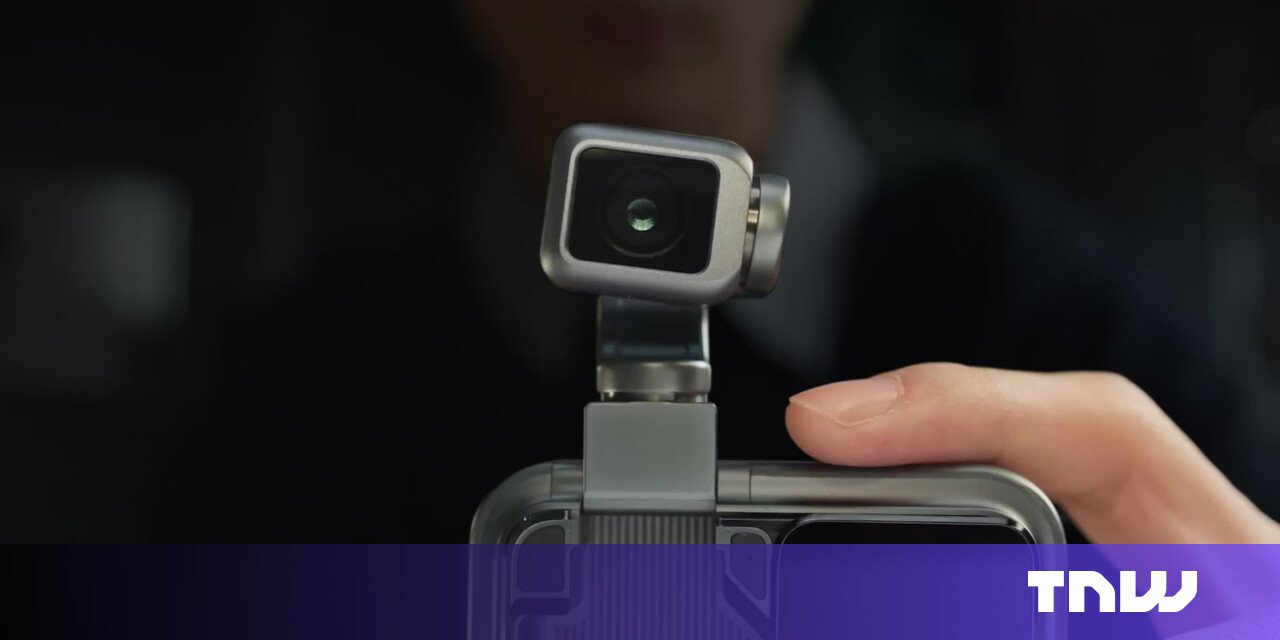
The camera nods, dances to the music and follows the faces. The rest of the specifications are a secret.
Something unusual happened at this year’s Mobile World Congress. At the Honor stand in Hall 3 there was a device present, visibly functional, that performed small robotic gestures for anyone who stopped to look, but no journalists were allowed to pick it up.
That device is the Honor Robot Phone. The company has been teasing it since October last year, and following its formal debut at MWC Barcelona, where CEO James Li took the main stage on March 4 for what Honor described as the company’s first keynote at the congress, it now has a confirmed launch window: the second half of 2026, initially in China.
Whether it will ever reach global markets remains an open question. But the hardware on display in Barcelona is unusual enough to deserve close attention.
A gimbal, reduced to fit inside a phone
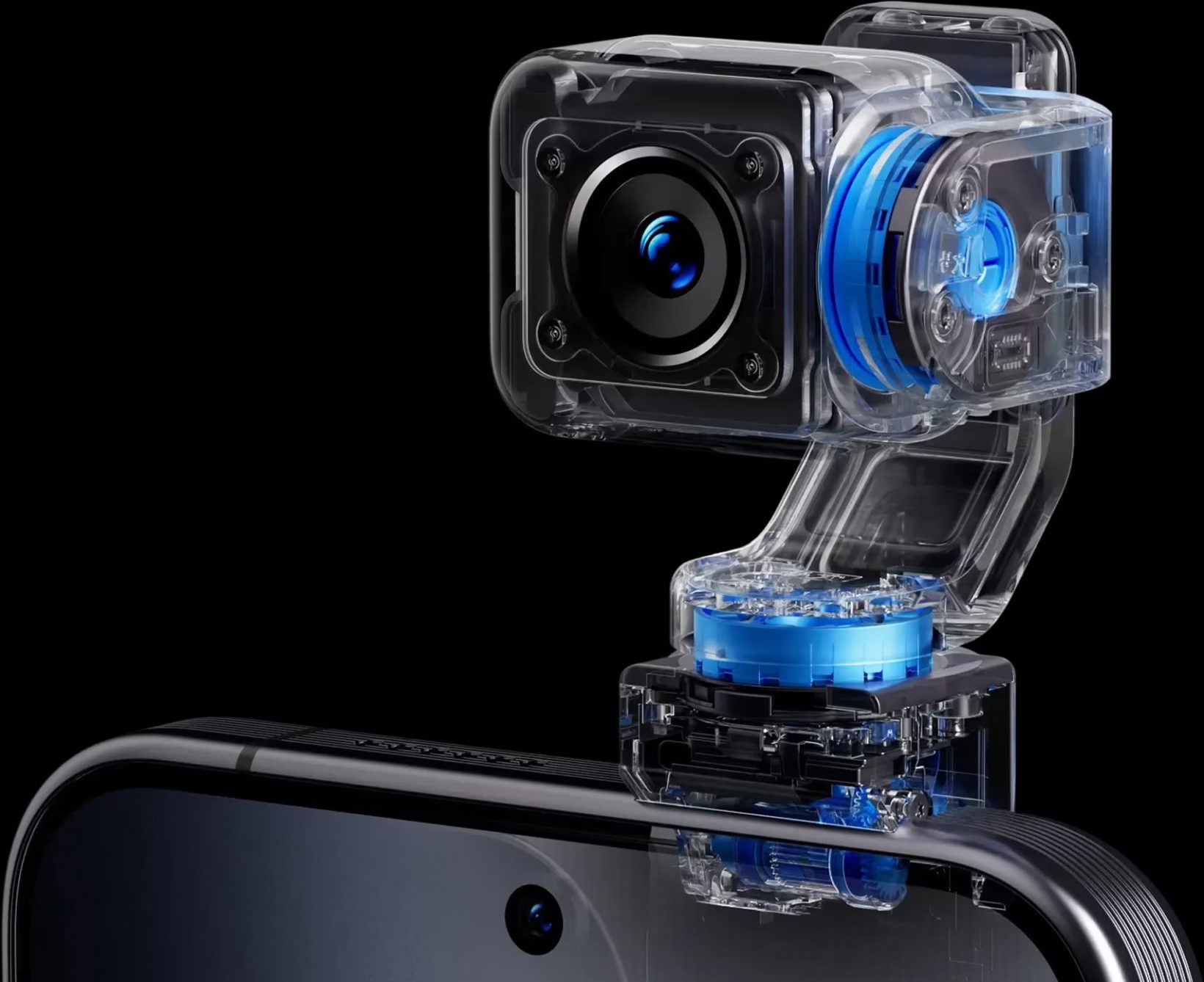
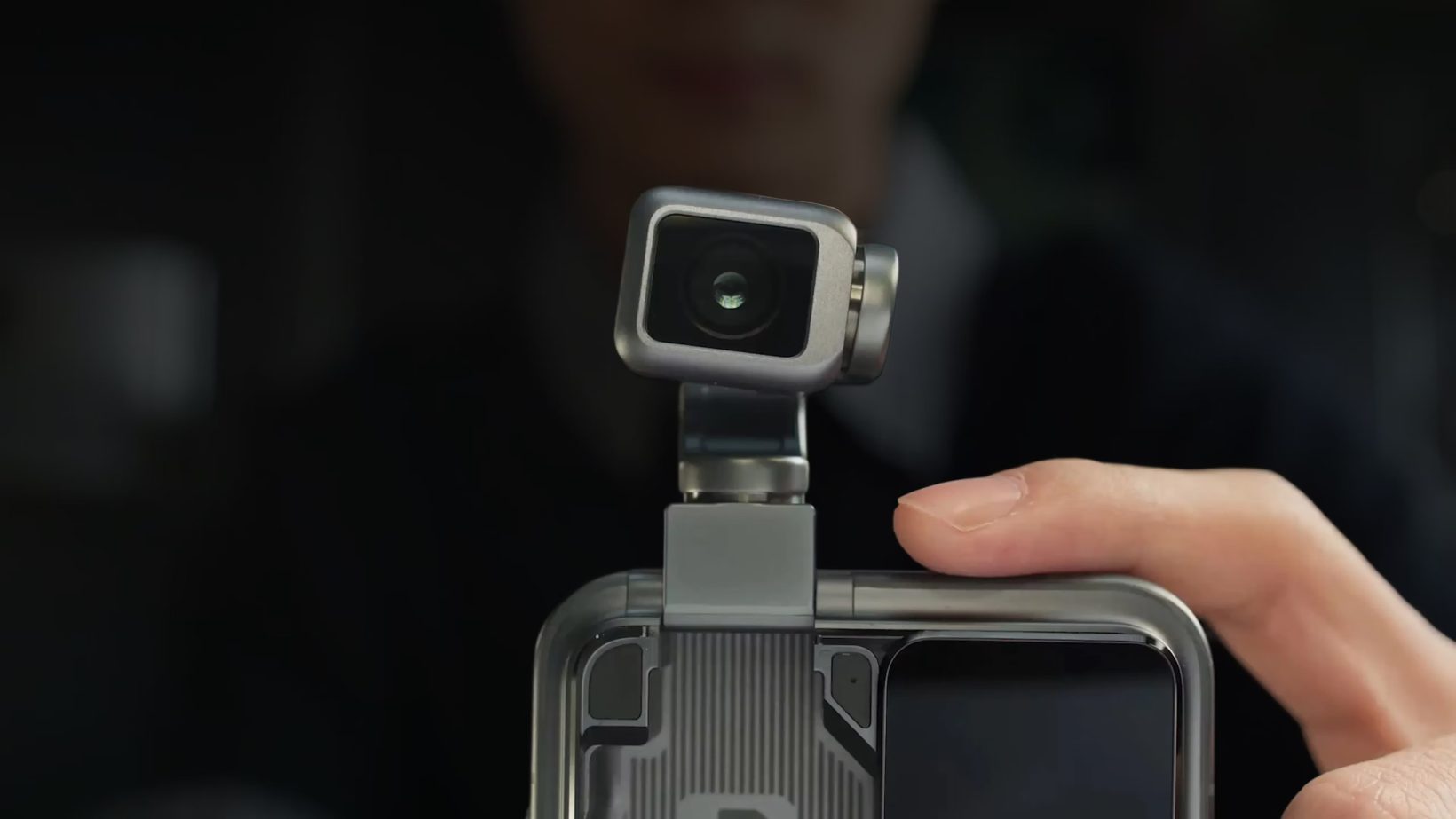
The Robot Phone’s defining feature is a motorized camera arm that folds neatly into the back of the device when not in use. The arm houses a 200-megapixel sensor mounted within what Honor describes as the industry’s smallest four degrees of freedom (4DoF) gimbal system.
Fountain: Honor
At its heart is a custom micromotor built from a titanium alloy, which the company says is 70% smaller than existing micromotors, a reduction it attributes directly to engineering knowledge accumulated over years of developing foldable phones.
The result is a three-axis mechanical stabilization system capable of the types of precise camera movements previously associated with dedicated handheld stabilizers and professional equipment. Honor has been careful, however, not to overstate the comparison: the system is described as equivalent in stabilization performance to external stabilizers, not superior to them.
Specifically for video, the phone supports a Super Steady mode for shots with a lot of movement, AI Object Tracking that locks on and tracks subjects with a double tap, and AI SpinShot for automated 90° and 180° rotation movements. The arm can also rotate a full 360°.
Source: Honor
Honor has partnered with ARRI Image Science, the Austrian manufacturer whose film cameras are a fixture on professional film sets, for color science and film image processing. According to Dr. Benedikt von Lindeiner, vice president of ARRI, the collaboration aims to bring qualities such as natural color, dimming and depth to mobile images.
The part that is hardest to explain.
Beyond the camera mechanics, Honor has created a set of AI-powered interaction features that are harder to categorize. The arm can nod, shake and tilt in response to voice and touch, effectively functioning as a physical gesture system. It can detect music and move to the rhythm of it.
You can also make the camera head “sleep” by covering it. During Li’s onstage performance, Robot Phone conducted a scripted exchange with both its CEO and a separate humanoid robot that Honor also unveiled at MWC, a machine that danced to Imagine Dragons’ “Believer,” performed a backflip, and shook Li’s hand before the two left the stage together.
Honor frames all of this under its vision of “Augmented Human Intelligence,” a concept Li positioned as AI designed to enhance rather than replace human potential. It’s the kind of language that requires skepticism at a trade show, but the hardware at least gives it a concrete anchor.
What we still don’t know
The list of undisclosed specifications is significant. Honor hasn’t confirmed which chipset powers the device, how much RAM it will ship, what the battery capacity is (although the phone uses a silicon-carbon anode cell to support the power demands of the motor), or how much it will cost. No MWC journalists were allowed to use the device; Practical coverage is based entirely on demo sessions behind glass.
The question of durability is one that continues to arise in the first coverages. Motorized camera mechanisms have a poor track record in consumer smartphones; They introduce moving parts into a device that is dropped, stuffed into pockets, and exposed to dust.
Honor’s own engineers acknowledge the concern: The company says it applied expertise in materials and foldable phone simulation to the miniaturization process, but no independent stress tests have been conducted or published.
For now, the Robot Phone is a device that does things no other smartphone does: It’s shown to journalists who aren’t allowed to touch it, and it’s planned for release in a market that most of those journalists don’t primarily cover.
This is either the opening chapter of something really new or a very controlled preview of something that will look quite different when it ships.
The second half of 2026 will tell.



