Sometimes hotel Wi-Fi is insecure, limited, or downright difficult to access. Fortunately, there’s a way to solve all of those problems: the humble travel router.
A router small enough to carry with me
My own network wherever I go
The meaning of a travel router is right in its name. This is a device that works just like your home router, but it’s not designed to be plugged into a single outlet and an Ethernet cable in perpetuity. That doesn’t mean you can’t use it that way. It will work fine, although with a shorter range than your conventional Wi-Fi router.
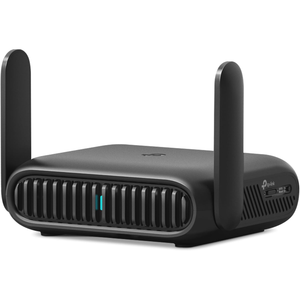
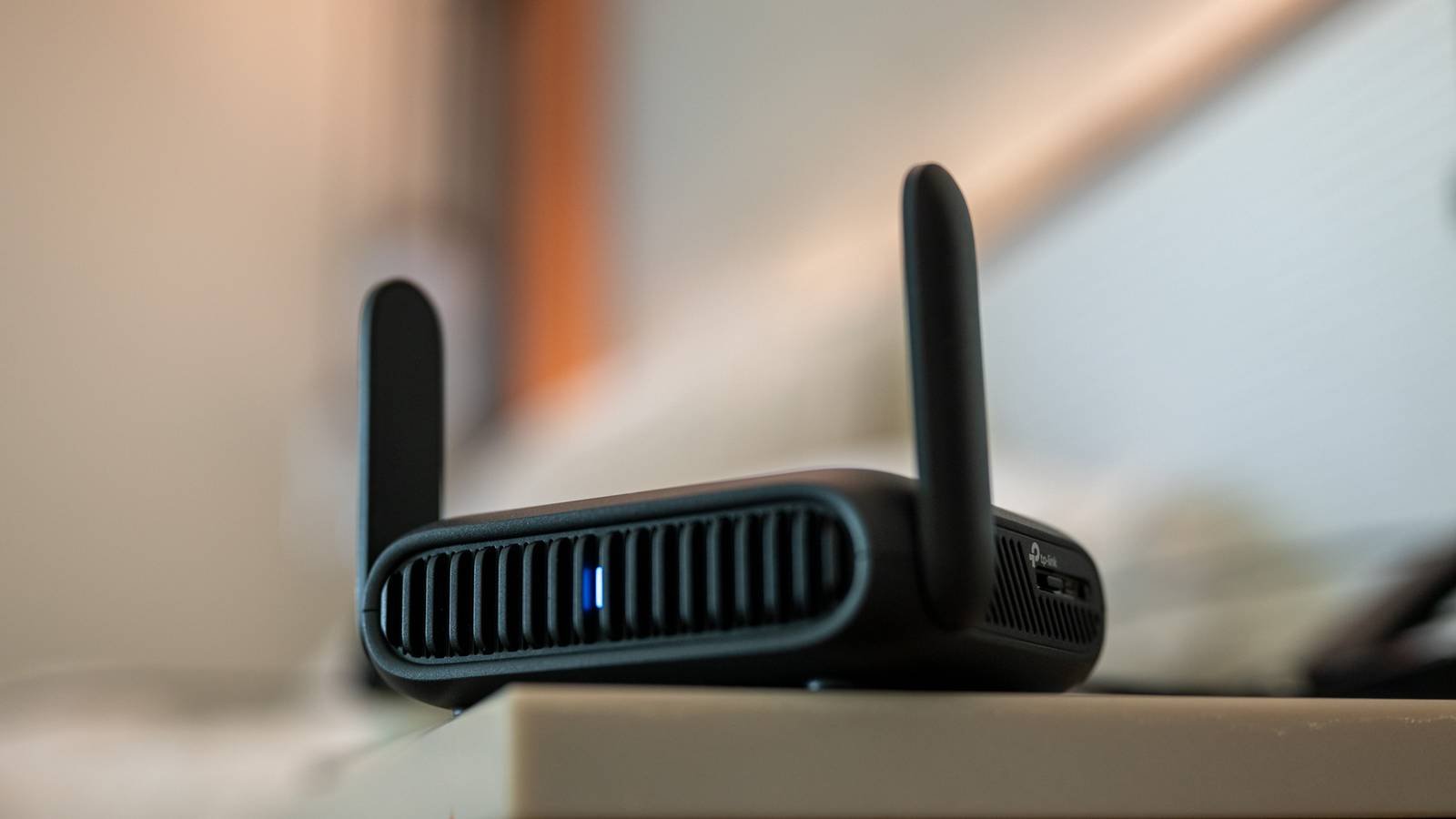
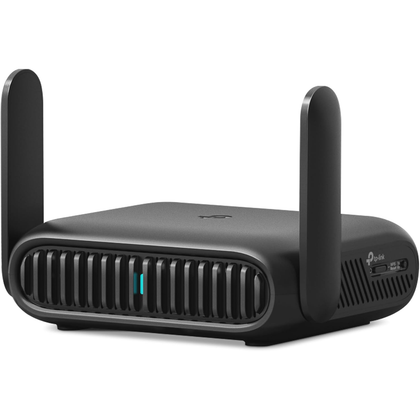
Newer travel routers have impressive speeds, like the TP-Link TL-WR3002X AX3000 Travel Router I Reviewed (good luck remembering the name, I know). With Wi-Fi 6 and maximum speeds of up to 2.4 Gbps, this router can outperform the router you have at home, especially if it’s an older model that you rent from your ISP.
This travel router draws power through a USB-C port and power can be supplied through a wall adapter or external battery bank. The latter effectively turns a travel router into a portable one. The experience is similar to carrying a dedicated hotspot, without the cellular connection.
Unlike having a dedicated portable hotspot, which can supply Internet at times when you don’t have any and is a worthwhile upgrade instead of just using your phoneThe uses of a travel router are not immediately intuitive. Still, I now consider this to be one of the key items I look to pack when my family travels.
Connect all my devices at once
Nobody likes entering Wi-Fi passwords
Connecting devices to Wi-Fi is one of the most tedious rituals of modern life. We enter a new space and ask for the network name and password. We then click or tap on various settings to enter that information on our phones and PCs. The more devices, the more work it becomes, and the work increases exponentially if you have family in tow. Young children, in particular, often don’t understand why a device isn’t working and don’t have the patience to type in the necessary credentials.
A travel router reduces this friction. Instead of connecting all my devices to a public Wi-Fi network, I will now connect all my devices to the travel router. You keep the same network name and password no matter where you go. All I have to do then is connect this single device to a new network. Once the router connects, the phone, laptops, tablets, and game consoles we have connected also connect. I don’t travel with a TV streaming device, but you can also add that to the list.
Make public networks private
Strangers don’t need to see my devices (and what I use them for)
This travel router also eliminates much of the anxiety that comes with using an insecure public Wi-Fi network. This is because my devices are now moving their activity from an insecure public network to our secure private network. We get all the benefits of having our own private local network, just like we have at home. We can allow devices to search for other devices and share files with each other without fear of exposing our devices to strangers.
This privacy can be further improved by logging into a VPN at the router level. This hides everyone’s traffic from the ISP and the system administrators who manage the hotel’s Wi-Fi. Running a VPN directly on the router also eliminates the additional battery consumption of each device from having to maintain a VPN on its own, although VPN routers have disadvantages.
A portable NAS that travels with us
No need to stream from home

This one is still on my to-do list, but travel routers usually come with the ability to share files saved on an external drive or memory card, just like home routers. This makes them an easy way to carry a media library that the whole family can share. This library may consist of downloaded videos or music, or it may be a collection of books and comics purchased from DRM-free sources.
Even if you have a personal Plex server You can access it remotely, a travel router still has advantages. You don’t depend on the speed of your hotel connection to access your videos, and you can even access files without needing to connect to the Internet. A travel router is not only useful in the hotel, but also when we are on the road.
Keep a travel router in your bag, you won’t regret it
The good thing about travel routers is that they don’t take up much space, so they add very little weight to your luggage. Mine fits in my back pocket, not that I want to leave it there for long. And since it lacks its own battery with a limited useful life, it is an investment that can last a decade.
-
- Range
-
1800 square feet
- Wi-Fi bands
-
5GHz
- Ethernet ports
-
2
- USB ports
-
1
- Supported standards
-
802.11n, 802.11ax, 802.11ac, 802.11g, 802.11.be
- Speeds
-
Up to 3600mb/s
Experience blazing fast speeds and improved network capacity. It offers up to 2882 Mbps on the 5 GHz band and up to 688 Mbps on the 2.4 GHz band. Enjoy uninterrupted video streaming, downloads and gaming on up to 90 devices.