

For many PC builders and tech enthusiasts, the preferred choice for fast storage is almost always a new consumer SSD. After all, they are quick, easy to get, and affordable. However, I’m deliberately opting for used enterprise-grade SSDs over their new consumer counterparts. It’s not just about looking for a bargain; It’s a calculated decision to strike a balance between durability and consistent performance.
Let me explain why I plan to follow this unconventional strategy to achieve powerful and reliable storage.
Greater durability and longevity
Designed to operate 24/7

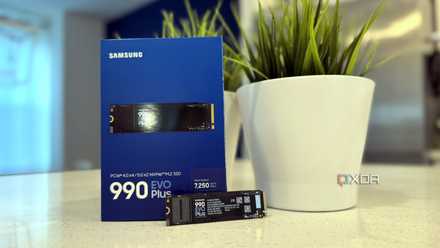
This is the most compelling reason to go for used enterprise SSDs. Unlike their consumer counterparts, which are designed for typical desktop use (bursts of activity and then periods of downtime), enterprise drives are designed from the ground up for the high demands of data centers.
You can imagine a server farm where thousands of SSDs constantly read, write, and process data 24 hours a day, year after year. They are built with higher quality NAND flash, more robust controllers, and often superior power delivery components compared to those found in most consumer drives.
A typical 1TB consumer SSD may be rated at 300 to 600 TBW (Terabytes Written). By comparison, a 1TB enterprise SSD, even a used one, can easily boast TBW ratings in the thousands (3000 TBW, 5000 TBW, or even higher). This means that an enterprise drive is rated to handle 5 to 10 times more write cycles than a consumer drive. Even if a used enterprise drive has already used 20% to 30% of its huge TBW capacity, it still has plenty of life left for typical home use, which is much longer than a new consumer drive.
Many also feature power loss protection (PLP) via a built-in capacitor. While not a major concern for a home user like me, its presence highlights the overall robust design of the unit.
Consistent performance
Even under high workloads

When we look at SSDsOur eyes often go straight to the maximum sequential read and write speeds advertised on the box. While numbers like 7000 MB/s or 5000 MB/s sound impressive, they don’t tell the whole story. These are initial burst speeds, and Your performance may drop once that SSD cache is exhausted (during a large file transfer, video playback, or intense gaming session).
Enterprise SSDs are designed for sustained performance. After all, there are no “bangs and downtimes” in a data center; It’s constant, heavy I/O. Whether firmware, drivers or NAND configurations, they are designed to deliver a consistent level of high performance over long periods of time.
And thanks to its ability to handle deep queues (hundreds of thousands of simultaneous requests), a home user can experience more agile multitasking, faster application loading, and smoother performance while running multiple demanding programs or even virtual machines.
An enterprise SSD also has advanced internal management and robust firmware optimization, offering a satisfying experience for users powering their systems.
Profitable
Reliability at a discount
Like any high-end industrial equipment, enterprise SSDs depreciate quickly once they leave the data center environment. A unit that can cost a large corporation hundreds of dollars can often be found on the secondary market for a fraction of its original price, often between 20% and 25% of its initial cost.
You can often buy a used 1.92TB enterprise SATA SSD for the same price, or even less, than a new 1TB mid-range consumer NVMe or SATA SSD. This is a significant advantage in terms of raw storage capacity per dollar.
When calculating the cost per gigabyte ($/GB), used enterprise SSDs typically offer a much more attractive figure, especially at higher capacities. Also, keep in mind that you are not sacrificing quality. You are purchasing a product over-engineered for your typical home/enthusiast workload.
Tips for buying a used enterprise SSD
Before you click the buy button, be sure to keep these tips in mind.
-
You should prioritize vendors who specialize in servers or enterprise hardware. They are more likely to offer a proper test drive and even offer a short warranty period (30 to 90 days).
-
If the price is incredibly low, it could indicate a defective unit or a seller trying to get rid of problematic stock.
- You can even use a tool like CrystalDiskInfo to check health status, power-on count, power-on hours, usage percentage and more.
The case of enterprise SSDs
While the simplicity and comprehensive warranties of new consumer SSDs remain attractive, I believe the unmatched endurance, consistent performance, and cost per gigabyte of used enterprise SSDs present a much smarter long-term investment for many.
I highly recommend taking a little extra time to research and carefully select your units. The idea is to unlock pro-level stability and speed without the hefty price tag. So before you hit the buy button on your next consumer drive, consider entering the world of used enterprise SSDs. While you’re at it, make sure look at these specifications.



