
The Wall Street Journal, citing “people familiar with the discussions,” says Trump’s Pentagon has urged leaders of the American auto industry to do more for the war effort. America’s domestic weapons cache, it seems, has started to look a little depleted given all the weapons we’ve shipped overseas and rounds we’ve squeezed out lately, particularly in Ukraine and Iran.
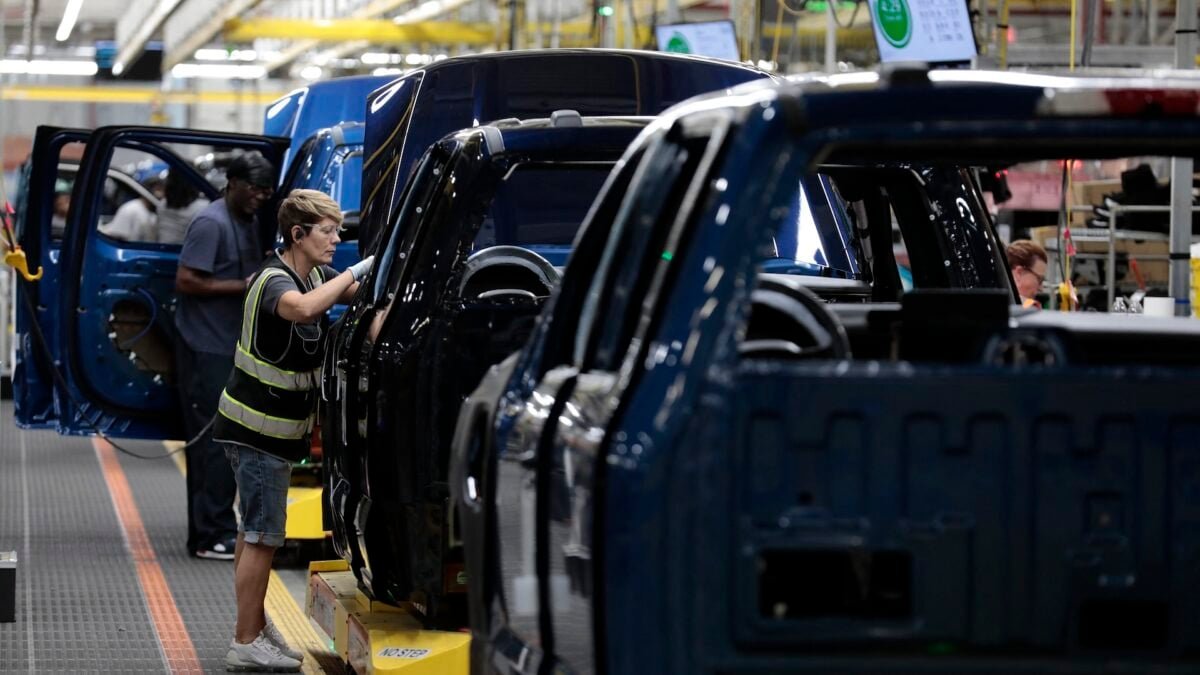
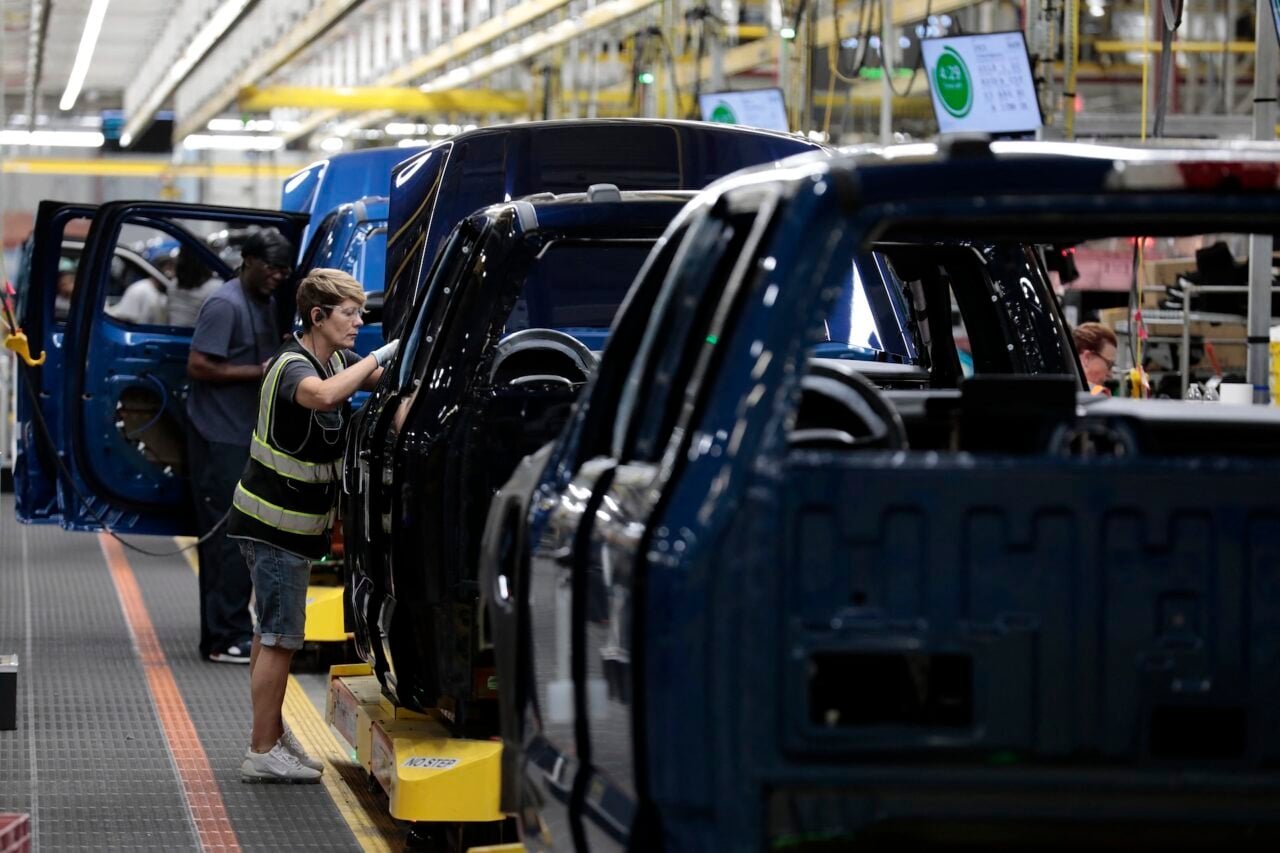
CEOs such as Mary Barra of General Motors and Jim Farley of Ford have been among the executives who have sat down for talks with high-ranking defense officials about increasing weapons production in what are currently automobile factories, using labor from people currently employed as auto workers.
It should be noted that GM already manufactures a military vehicle called Infantry Squad Vehicle or ISV.
in a speech in November last yearDefense/War Secretary Pete Hegseth described the industrial effort he would like to see, but it sounded a little more like ChatGPT than he probably intended:
“We’re not just buying something. We’re solving life-and-death problems for our warfighters. We’re not building for peacetime. We’re bringing the Pentagon and our industrial base into a wartime situation.”
The Pentagon statement to the Journal said the Department of Defense/Warfare is “committed to rapidly expanding the defense industrial base by leveraging all available commercial solutions and technologies to ensure our warfighters maintain a decisive advantage.”
Earlier this month, President Trump requested a military budget of 1.5 trillion dollarswith an explicit push to expand the industrial base.
For no particular reason, here’s a flashback to high school history class: Franklin Delano Roosevelt’s 1940 “Arsenal of Democracy” speech, one of the all-time masterpieces of American war propaganda.
In it, FDR argues that the Nazis are a threat to the American way of life and that our allies need our help to combat them. We are not asked to give up our lives, he explains, but to come together as government, industry and workers.
“We must have more ships, more weapons, more planes… more of everything. And this can only be achieved if we discard the notion of ‘business as usual’. This work cannot be done simply by superimposing the nation’s additional defense needs on top of existing production facilities.”
It’s completely compelling and listening to it today will awaken feelings of determination and patriotism that you may have forgotten you can feel. If you feel inclined to listen to it in the current context and play a little game of compare and contrast, that’s your business.



