

Home Assistant works with a lot of smart home devices, but it doesn’t work with all of them. If you have smart home technology that you haven’t been able to connect to Home Assistant in the past, it’s worth checking again.

Home Assistant adds integrations at a rapid pace
Each version adds more options

Home Assistant releases updates on a monthly cycle, with smaller patch releases throughout the month. Each monthly update adds new features to Home Assistant, and these always include new integrations which have been officially added to Home Assistant.
Typically, a significant number of integrations are added each month. For example, version 2026.4 included 14 new integrations, including Infrared, UniFi Access, WiiM, and Autoskope. In the last 12 months, there have been no less than four new integrations in any version, with some months adding as many as 17.
This does not include custom components that you can install via HACS which are not officially supported integrations. Many of these custom components allow you to connect smart home devices that aren’t supported by Home Assistant integrations, and some custom components become official integrations.
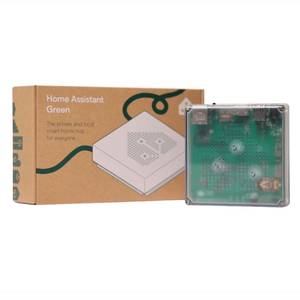
- Dimensions (exterior)
-
4.41″L x 4.41″W x 1.26″H.
- Weight
-
12 ounces
Home Assistant Green is a pre-built hub straight from the Home Assistant team. It’s a plug-and-play solution that comes with everything you need to set up Home Assistant in your home without needing to install the software yourself.
Infrared support opens up a lot of older devices
If it has an infrared remote control, there is a good chance you can control it

Some new Home Assistant integrations only allow you to connect a limited number of smart devices from a specific brand. However, there are some that open access to a wide range of smart home devices. An example of this is the infrared integration, which was added in Home Assistant 2026.4.
He Infrared integration adds native support for controlling IR devices like TVs or air conditioning units using Home Assistant. In the past, doing so required manual solutions or custom integrations, but Home Assistant now has a dedicated native platform for infrared control.
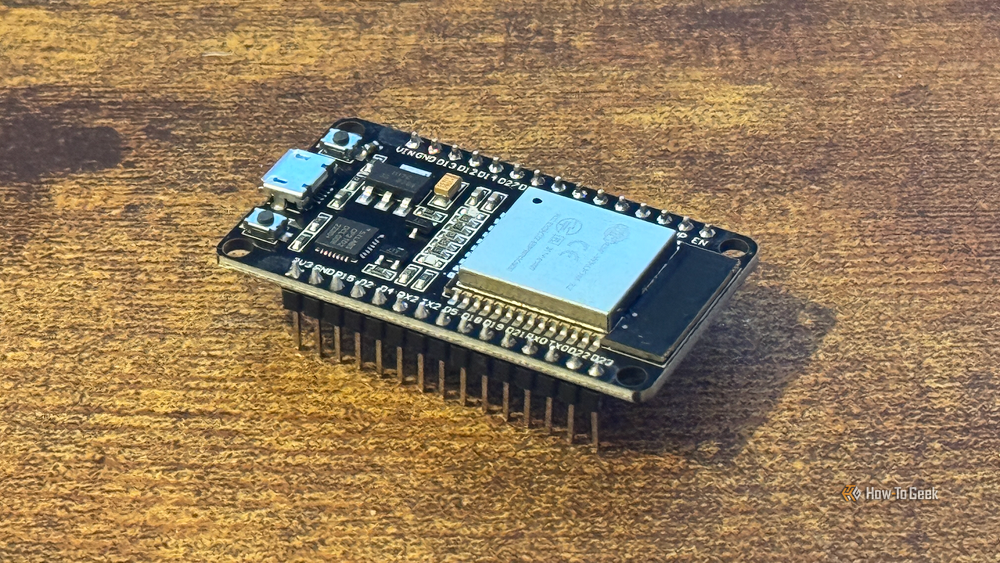
It means you can convert cheap ESP32 devices into infrared proxy servers which can send and receive IR signals and control them directly from Home Assistant. For example, you can send commands to your TV as if you were pressing the buttons on your remote control and use them to turn on the TV, change channels, increase the volume, and more.
Currently, there is only one LG Infrared Integration that will allow you to control an LG right out of the box, but for other IR devices, you can use the remote.learn_command action to learn the commands your remote control sends and the remote.send_command action to send these commands from your IR proxy. It means that, in theory, you can add almost any IR device that uses a remote control to Home Assistant.
Bluetooth and Matter support continues to develop
Support for all major protocols.
Infrared devices aren’t the only devices you can add to Home Assistant. There is support for all major protocols, including those you may not expect.
For example, if you have Bluetooth smart devices At home, you can assume that you can’t connect them to Home Assistant due to limited Bluetooth range. However, you can also use ESP32 devices as bluetooth proxy servers and place them near your Bluetooth devices. These proxy servers can receive commands over Wi-Fi from Home Assistant and send the relevant Bluetooth signals to your Bluetooth devices, controlling them as if they were already within Bluetooth range of your Home Assistant server.
Home Assistant also has mature support for Matter and continues to add new Matter features. Home Assistant 2026.4 includes an update that allows you to manage users and PIN codes for Matter compatible smart locks directly from Home Assistant. If you have Matter devices, Home Assistant is a great way to connect and control them.
How to check if your existing devices are compatible
Auto discovery does much of the work for you
If you want to see if a smart home device you own will work with Home Assistant, there are a few things you can do. The first is to see if the device is discovered automatically. Turn on the device and make sure it is connected, and it may appear in Home Assistant’s discovered devices list.
If not, the next step is to look for an official integration. On the Integrations page, click Add integration and type the brand of your device to see if any results appear. If so, install the integration and follow the setup instructions to connect your device.
If there is no official integration, you can try HACS. This is a store of community-created custom components, many of which allow you to connect specific brands of smart home devices. If you can’t find a custom component in the HACS store, try searching online as some require manual installation.
If nothing works, you can try the Home Assistant community forums. You may find that someone is working on a solution.
Check your devices before replacing them
Home Assistant supports a wide range of smart home devices and the list continues to grow. Before replacing old equipment or assuming a device won’t work, it’s worth checking out Home Assistant again. Support may have arrived since you last checked.



