
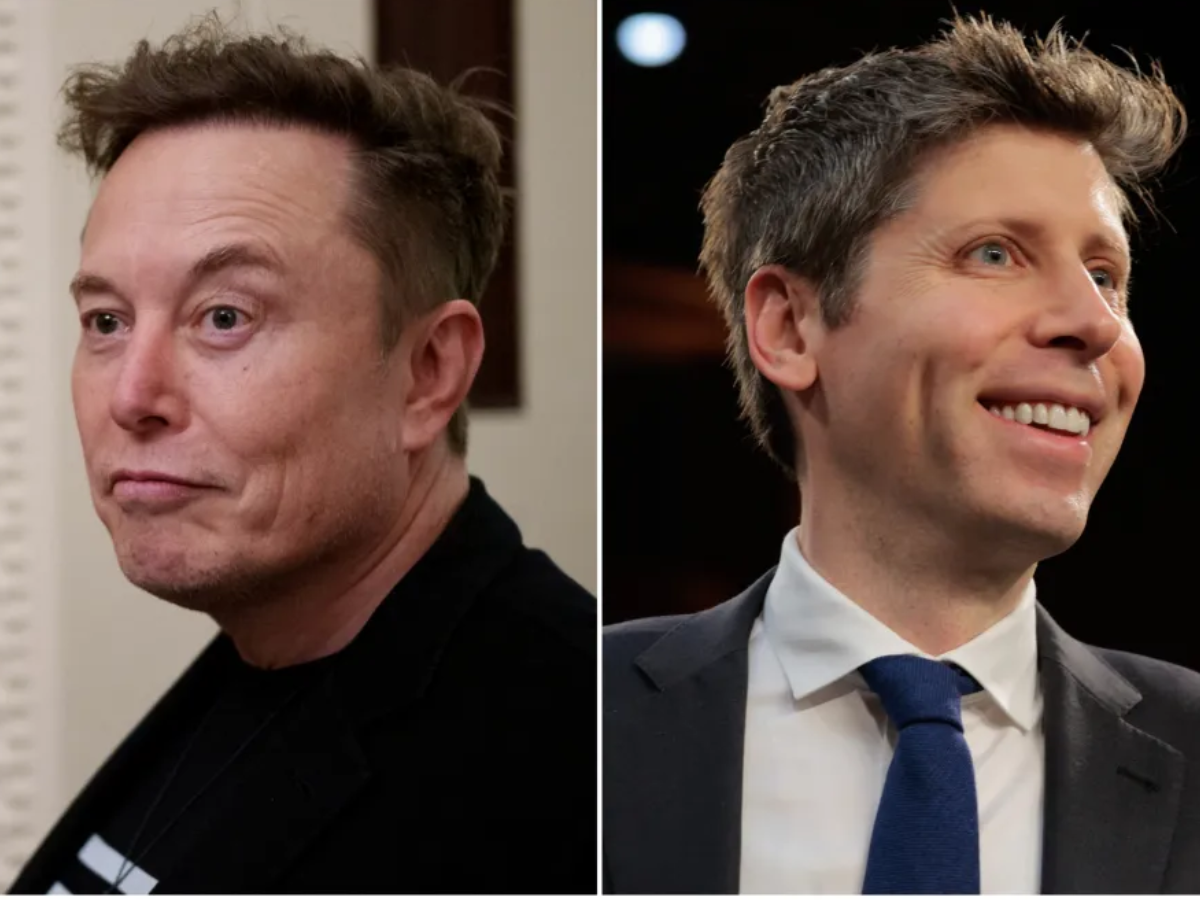
A California jury has unanimously dismissed Elon Musk’s lawsuit against OpenAICEO Sam Altman and Microsoft. The jury found that Musk waited too long to bring the claims, resulting in the expiration of the statute of limitations for both the breach of charitable trust and unjust enrichment claims against OpenAI.
As a result, Microsoft’s remaining claims were dismissed as a matter of law following the jury’s decision on OpenAI’s claims. The jury reached its verdict about two hours into a three-week trial that featured testimony from Musk, Altman, Microsoft CEO Satya Nadella and other tech industry figures.
What Elon Musk’s Lawsuit Really Claims
Musk claimed that Altman violated OpenAI’s original nonprofit agreement by shifting ChatGPT’s developer toward a for-profit structure after Musk donated $38 million in the company’s early days.
He argued that this change was misleading because OpenAI’s initial goal was to create AI for the benefit of humanity, not for profit. However, the jury decided that the statute of limitations had expired, so it was not necessary to evaluate the validity of either claim.
How Musk, OpenAI and Microsoft responded to the verdict
Musk responded to X shortly after the verdict, saying the decision amounted to “a free license to loot charities if you can keep the looting quiet for a few years.” He also criticized the judge, calling him a “lousy activist” who was using the jury “as a fig leaf.”
That post was later deleted. In a follow-up message, Musk said he plans to appeal, claiming that the jury did not decide “on the merits of the case” and that the outcome was based on a “calendar technicality.”
OpenAI spokesperson Sam Singer described the verdict as “a tremendous victory” and suggested the lawsuit was “an effort by Mr. Musk to rein in a competitor.” William Savitt, an attorney for OpenAI, added that the jury found that Musk lied during his testimony about the company’s origins.
Microsoft, which was also named in allegations related to aiding and abetting the OpenAI transition, said, “The facts and timeline in this case have long been clear” and reaffirmed its commitment to working with OpenAI.
Appeal Prospects and the Origins of OpenAI
Legal experts cited in the report expressed skepticism about Musk’s chances on appeal. Carl Tobias, a law professor at the University of Richmond, said the jury’s decision was largely based on facts and noted that appellate courts rarely overturn jury verdicts like this one.
Raffi Melkonian, an appeals attorney, added that winning an appeal of a jury verdict is generally very difficult. Musk’s lawyer, Marc Toberoff, told reporters outside court: “This war is not over and I would sum it up in one word: appeal.”
OpenAI was founded in 2015 by Musk, Altman and others as a nonprofit research organization. Musk resigned from the board in 2018 after his co-founders rejected his attempt to take control of the company. Altman testified that Musk supported the move to a for-profit model but wanted control of the new entity, suggesting at one point that control could pass to his children after his death.
The verdict concludes one of the highest-profile legal disputes in the AI industry so far, although the planned appeal means the case could drag on longer.




