

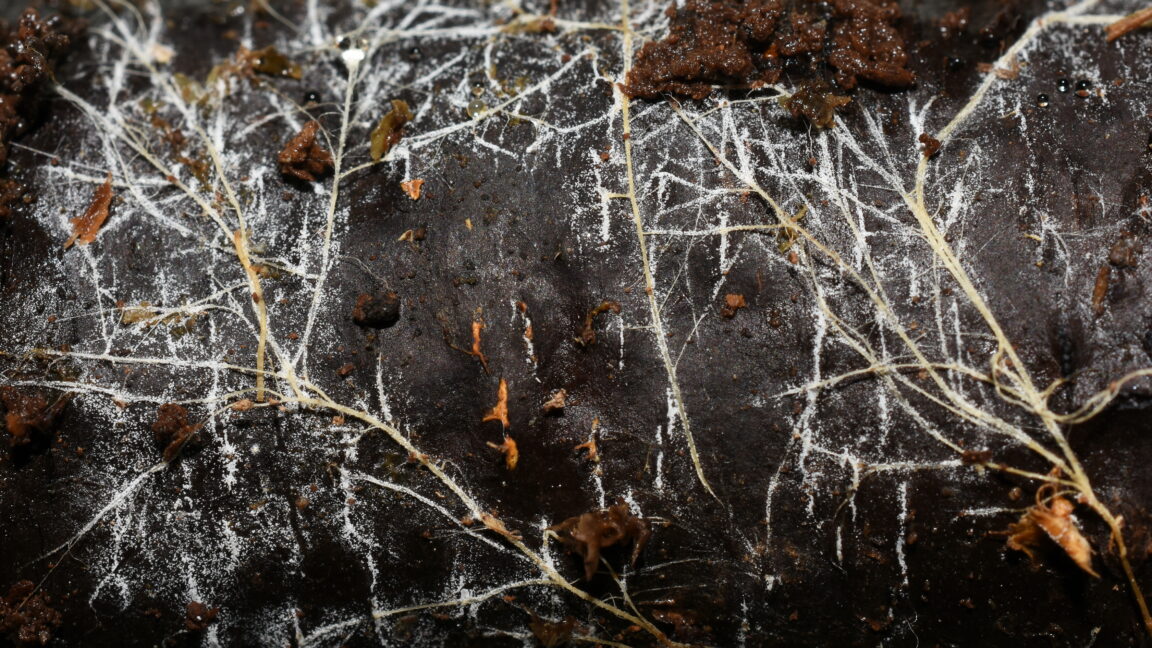
The study only covers networks of live arbuscular mycorrhizal fungi, Stewart said, and does not include networks of dead fungi, which also help store carbon and increase total biomass and the influence of networks on ecosystems. Research on dead fungal networks is still being explored.
The study also found where these networks are most threatened. Fungal network densities in cropland are about half of those in wild ecosystems. Meanwhile, wild grassland ecosystems contain about 40 percent of the world’s arbuscular mycorrhizal biomass. However, these grasslands are among the least protected ecosystems on Earth and are converted to cropland at four times the rate of forests, posing a potential threat to these networks and the benefits they bring to plant life and carbon storage.
Previous SPUN research has found 90 percent of the fungal communities. all over the world they are unprotectedand many ecosystems, such as the deserts of the southwestern United States, They are little studied.
Next, the researchers said, there is a need to explore what exactly is driving mycorrhizal fungal losses and the consequences of that decline, which is why the SPUN team will be at this year’s United Nations Climate Change Conference (COP31) to present to policymakers the importance of the networks and the role they could play in protecting ecosystems and sequestering carbon.
Understanding mycorrhizal fungi more deeply at ground level is key, said Corentin Bisot, a biophysicist at AMOLF and co-author of the study.
“We’re still far from fully understanding how, if you have a grassland next to it and you want to (increase) the microbes and fungi there,” Bisot said. “We don’t have the tools for you to do it.”
This study, Stewart said, is just the first map. And like the first maps the Spanish drew of California, which depicted the state as an island, he said, there will be new discoveries about the density of fungal networks around the world to increase the public’s understanding of them.
This article originally appeared on Insider climate newsa nonprofit, nonpartisan news organization covering climate, energy and the environment. Subscribe to their newsletter here.



