
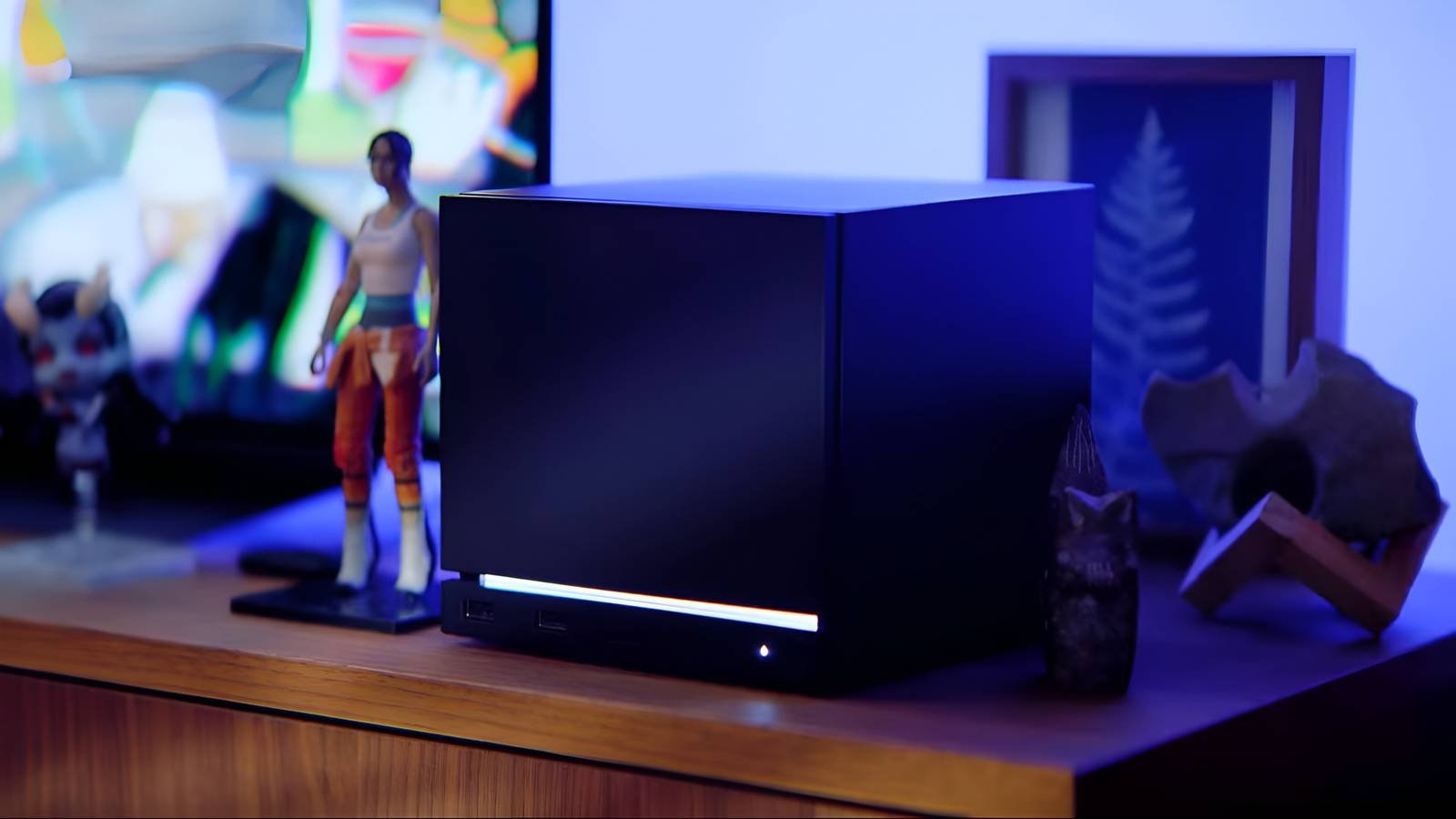
Valve is known for its many masterstrokes in the PC gaming space. With its unparalleled storefront, iconic game franchises, SteamOS, Steam Deck, and even company culture, Valve is something of a unicorn. The upcoming Steam Machine will join the Steam Deck and Steam Controller in Valve’s lineup of gaming hardware. While Valve’s past performance in both hardware and software has been impeccable, there’s also the original blemish of “Steam Machines” on its report card. The new Steam Machine is a curious device, marketed not as a console but as a PC with SteamOS and power 4K 60 FPS games. Its underpowered internals were already cause for alarm, but even if you assume Valve will nail the optimization, the Steam Machine’s target consumer is a bit up in the air. We know Valve has confirmed a 2026 release, but with worse-than-console prices and hardware that can’t rival budget PCs, who is the Steam Machine really for?
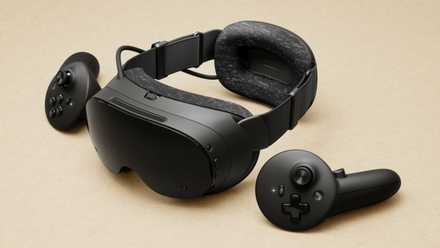
Steam Machine was always an expensive entry-level PC
Valve does not market an affordable console
When Valve finally confirmed rumors about an upcoming SteamOS PC, everyone took notice. Valve’s attempt to increase SteamOS adoption and taking it to the living room was worthy of attention. While Valve fans decided at the time to buy the Steam Machine no matter what, the PC gamer crowd was more skeptical. We know that the redesigned Steam Machine will include a semi-custom 6-core/12-thread AMD Zen 4 CPU and a semi-custom RDNA 3 GPU with a 110W TDP and 8GB of VRAM. These specs are disappointing when you realize that this is basically a PC with a Ryzen 5 7600 and an RX 7600. Combined with 16GB of DDR5 RAM and 512GB/2TB of NVMe storage, this setup doesn’t instill much confidence in the Steam Machine’s technical prowess.
Valve even said it will price the Steam Machine as a PC, not a console. So don’t expect the company to sell the hardware at a loss and then make up the difference with subscriptions. The launch price, which is still a mystery, was never in the $500 to $700 range, and with hardware prices in the stratosphere, the actual price could be closer to the $1,000 mark. Valve planned to launch the Steam Machine in early 2026, but the AI-induced hardware crisis It forced a delay and will certainly dilute the value proposition when the device finally arrives.
While “semi-custom” doesn’t mean AMD has produced new silicon for Valve, the tight integration between the hardware and the simple SteamOS environment could mean the Steam Machine punches above its weight. Still, there are limits to what FSR can achieve, even with its latest capabilities. The Steam Deck’s humble hardware didn’t stop it from dominating the laptop market because it was mostly a blue ocean, an untapped space with little competition. Steam Machine, on the other hand, is not entering a market without competition. Gamers already have more than a few options in the $500 to $1000 price range, making the path forward for the Steam Machine anything but easy.
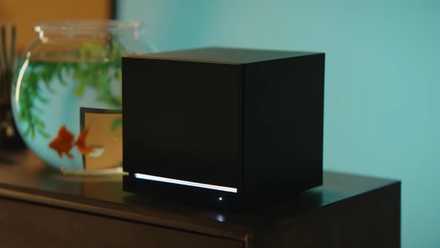
Delayed launch could greatly affect Valve’s plans
The wait could be too much for some players
The Steam Machine’s disappointing hardware isn’t the only red flag here. The inevitable delay in launch could pave the way for alternatives to emerge and capture the intended market. Enthusiasts are already going the DIY route. creating your own versions of Steam Machine. They are installing Bazzite, SteamOS or some other Linux distribution on desktops and mini PCs to create cheaper and possibly more powerful machines, no pun intended. If you don’t want to do it yourself, companies like Playnix sell pre-built Steam Machine competitors, such as playnix console That starts at $1,179 for a 6-core Ryzen CPU, 16GB RX 9060 XT, 16GB RAM, and 512GB SSD.
You can always build a PC with a Ryzen 5 7600, 16GB RX 9060 Of course, this will probably cost around $200 more than Valve’s Steam Machine, but it will be significantly more powerful and you’ll be able to upgrade all the components in the future. The dedicated section of gamers waiting for the Steam Machine will wait a little longer, but even they would think twice before spending a premium on an inferior device. The delay could prematurely tap into the market need Valve was planning to fill. Sure, the Steam Machine will look and work differently than any alternative people come up with, but it might be too little, too late.
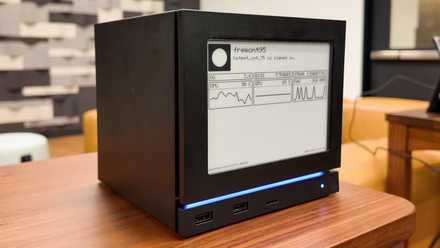
Who is the ideal buyer for Steam Machine?
Presumably no one
First let’s see who is not the target of Steam Machine. It is not for console gamers who have already invested in the Sony or Microsoft platform. They’re not going to upgrade to PC gaming by buying a more expensive device; are happy to play GTA VI before PC players when the game releases later this year. Steam Machine isn’t for PC gamers either, not exactly. Most people who play on PC already have hardware comparable to or better than the Steam Machine: the RX 7600 falls somewhere between the RTX 3060 and RTX 4060, which are the two most used GPUs, according to the Steam Hardware Survey.
Valve may be trying to create a new market among the existing PC gaming audience, one that would buy the Steam Machine as an additional device for couch gaming or for replace an old PC. The problem with this is that the Steam Machine, despite being a compact PC, cannot be upgraded where it really matters. You can’t change the CPU or GPU when it inevitably starts to fall short in future titles. It’s like consoles in this sense, but again, it doesn’t have exclusives like consoles do. And you can’t even play some of the most popular games due to the lack of anti-cheat support at the kernel level. This makes titles like Battlefield 6, Call of Duty: Black Ops 7, League of Legends, and Valorant incompatible with the Steam Machine.
It all depends on the price, and that’s something that could be out of Valve’s control right now. The PC hardware market is unpredictable and shows no signs of changing anytime soon. The Steam Machine is coming this year, so it will surely launch at a much higher price than Valve initially planned. I don’t see millions of players flocking to the Steam Machine like they did to the Steam Deck. The identity crisis is too marked with Valve’s new PC-console hybrid. The positive side, however, is that even if the Steam Machine fails, it will take a huge amount of effort a step forward for gaming on Linux and whatever Valve does next. It will create enough noise and capture enough market share to force the industry to take it seriously, creating more competitors and furthering Valve’s SteamOS ambitions.
My heart wants Steam Machine to succeed, but my mind says otherwise
Valve probably knows what they’re doing. After all, the company has more successes than mistakes in its history. Still, the Steam Machine has too many disadvantages to be sure of its success. It seems to want to be PC and console at the same time, but it may not be able to be. Keeping the price right is largely out of Valve’s reach, and many gamers won’t wait for the delayed release before purchasing something else to satisfy their Linux gaming cravings.



