

When Lincoln introduced the Navigator in 1997, it took the frame of a truck and wrapped it in the kind of interior luxury that buyers had previously associated with European brands. Nearly three decades later, the Navigator has become something no one saw coming from Ford, or perhaps any other automaker: a rolling wellness retreat.
Lincoln now positions the Navigator as a “sanctuary on wheels,” a philosophy that took shape after the redesign of the 2025 SUV. The sanctuary mantra is reflected through features like guided relaxation sessions, curated digital fragrances, and a partnership with the Calm app built right into the Navigator’s cabin. In fact, the Lincoln Navigator isn’t just asking to be your next vehicle. It’s asking to be part of your mental health routine. This may seem far-fetched until you take a look inside. the updated browser.
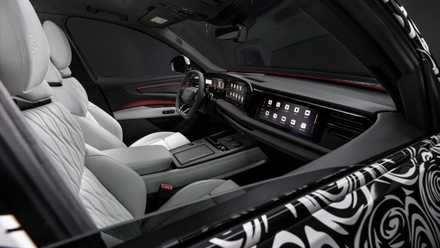
The 2027 Audi Q9 has a different answer to the question of what a luxury SUV should be. Audi’s first full-size flagship SUV makes its global debut on July 28, and while the exterior remains under wraps, the interior offers a glimpse inside the mind of Audi and its designers.
Where Lincoln bets on how the vehicle makes you feel, Audi bets on how completely it can surround you, with screens, sensors and an immersive audio system. Both the Navigator and Q9 show what happens when traditional luxury meets the age of connectivity, and the result couldn’t look more different. Here’s how they compare.
Three rows of amenities
Special rejuvenation sessions for owners.
The 2027 Audi Q9 arrives as a credible challenger to the Lincoln Navigator, but given everything Lincoln has packed into the Navigator’s cabin, it’ll have its work cut out for it. Looking at the Navigator’s interior as a whole, it’s hard not to conclude that Lincoln was deliberate, even methodical, in its effort to build the most luxurious vehicle possible.
The centerpiece of that effort is the Rejuvenate system, one of the The most unique and interesting features of the Lincoln Navigator. While parked, a tap on the touchscreen activates a five- or 10-minute relaxation sequence. The driver’s seat slides back, reclines, and begins massaging as the steering wheel moves out of the way. Soothing images fill the 48-inch widescreen display in three themes: waterfall meditation, northern lights, and elements (water, earth, air, and fire).
Soothing sounds ring out in the cabin and a subtle fragrance is released through the Digital Scent system, a feature that uses individual microchip cartridges. Owners choose from seven select scents, including Mystic Forest, Ozonic Azure and Violet Cashmere, and can turn the fragrance on or off without affecting cabin temperature. A free one-year subscription to the Calm app is included.
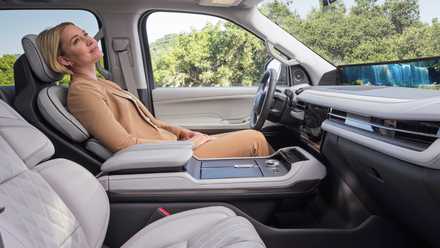
Meanwhile, Lincoln’s Black Label customization program extends that sense of sanctuary to the materials themselves. Three distinct themes, each a complete interior environment in itself, provide buyers with a more curated identity than a menu of standard options can offer.
The Invitation theme combines Black Onyx leather with Khaya wood accents and an Ebony headliner, while the Enlighten uses Warm Horizon leather with laser-etched birch wood and Espresso carpets. Atmospheric, the newest theme, features Salt Crystal Gray leather with ash wood appliqués and Radiant Copper accents that extend to the exterior grille and 24-inch wheels. It’s the first Black Label theme to extend beyond the cabin.
The comfortable seating reinforces the sanctuary theme in each row. The front seats are heated, ventilated and massaged as standard, and Black Label models upgrade to Lincoln’s 30-way Perfect Position seats. Buyers can configure the second row with available heated, ventilated and massaging captain’s chairs. Even third-row passengers aren’t forgotten, with available heated seats and 43.5 inches of legroom that matches the first row.
While the Lincoln Navigator is tailored to its target demographic, Audi has designed the Q9 to be as engaging as possible, enveloping occupants in a digital environment with a sound system whose low frequencies are experienced through the seat itself.

- Connectivity
-
5G
- Frequency band class
-
Quadband
The Nighthawk M7 Pro mobile hotspot offers speeds of up to 5.8 Gbps and up to 2,000 square feet of coverage, using a dedicated 6 GHz band to provide multi-gigabit speeds for up to 64 devices simultaneously. This makes it a great choice for data-intensive tasks like 8K gaming, streaming, and video calling, while advanced security features like URL filtering, device locking, and an LCD passcode keep your private network safe.
Audi Digital Stage vs. Lincoln Digital Experience
Three screens vs. 48-inch widescreen
Audi’s Digital Stage includes three screens on the Q9’s dashboard. The main OLED touchscreen is front and center, while the driver’s instrument cluster is hidden just behind the steering wheel.
The third screen is intended only for passengers and they will surely enjoy it on long road trips by whoever is sitting there. Using tinting technology that blocks the screen from the driver’s line of sight, front passengers can watch YouTube videos, browse the Internet or stream other content while the Q9 is on the move, with the option to pair Bluetooth headphones for a private viewing experience.
By contrast, the Navigator’s 48-inch widescreen display takes up almost the entire dashboard. Lincoln configured it so that important elements, such as navigation, media and vehicle data, remained within the driver’s line of sight. An 11.1-inch central touchscreen acts as the main interface. System Features native Google integration with Google Maps, Assistant and Play Store, plus wireless Apple CarPlay and Android Auto.
Once parked, the 48-inch screen becomes a full-scale entertainment center with 5G connectivity. Occupants can stream YouTube videos, listen to podcasts from Spotify or Apple Podcasts, or run gaming apps from the Play Store. Pano mode expands those apps to both sides of the widescreen display, turning the Navigator’s dashboard into something more like a home theater than an SUV.
That capability is impressive, but it’s worth noting that it’s a Navigator feature that only works when the full-size SUV is parked. The Q9’s dedicated passenger display works while the vehicle is moving, which is a practical advantage for families traveling long distances with someone in the front seat.
For rear passengers, the Navigator offers Lincoln Play as an available option on Black Label models. Each of the two rear screens runs its own independent operating system with voice remote control and Bluetooth headphones included. Passengers can also download content for offline viewing, with 16GB of storage per screen. As for the Q9, Audi has yet to confirm a rear-seat entertainment system ahead of its unveiling on July 28.
However, we do know that the Q9 will debut a Bang & Olufsen 4D sound system with physical actuators integrated into the front seats, so that occupants feel the low frequencies as well as hear them. A dynamic interaction light, a continuous LED strip at the base of the windshield, synchronizes its color and rhythm with whatever is playing, matching the color scheme to the track’s cover art. Headrest speakers route calls and navigation messages privately to the driver.
Navigator buyers will be able to enjoy a 28-speaker Revel Ultima 3D audio system with QuantumLogic surround technology, tailored to the specific dimensions of the Navigator cabin. It doesn’t vibrate your seat, but it’s still a tremendous system.
Split door and rail systems
Q9 and Navigator offer solid storage options
The Navigator seats eight passengers and is available in a long-wheelbase L configuration that adds 11 inches of overall length and up to 14.5 cubic feet of additional cargo space. t
Split Gate is one of the Navigator’s most convenient features. The upper three-quarters function like a traditional power liftgate, while the lower quarter lowers like a conventional liftgate with a 500-pound load. ability. An available Cargo Tailgate Manager turns it into a storage rack or table for everything from a Saturday picnic to a workstation on the road.
The Q9 is available in seven- or six-seat configurations, with the outboard second-row seat sliding and tilting forward for easy access to the third row without removing the child safety seats. An aluminum trunk rail system provides three-dimensional cargo storage. Roof rail cross bars are also standard for the Q9.
The 2027 Audi Q9 is coming soon
The 2026 Lincoln Navigator Premiere starts at $91,995. Reserve models start at $101,995 while the Black Label starts at $119,525. Long-wheelbase L models add approximately $3,000 to the base price.
The 2027 Audi Q9 is expected to have a starting price of around $80,000, while higher versions will cost between $90,000 and $95,000. That initial difference of approximately $12,000 is the clearest numerical argument in favor of the Q9.
Audi will reveal the full Q9 on July 28, with North American deliveries expected as early as November.



