

Valve has filed a motion to dismiss the lawsuit filed against him by New York Attorney General Letitia James in February 2026. The case claims that Counter-Strike 2 gun cases amount to unregulated gambling. Valve’s legal team at Milbank LLP filed the motion, which is currently being considered by New York Supreme Court Justice Nancy Bannon.
The case centers on Counter-Strike 2 weapon cases, which players receive periodically. Each case contains a random skin from a specific collection, and opening a case requires purchasing a key for $2.49. Players also have the option to receive other rewards that do not require keys.
Valve’s main legal arguments against the Loot Box lawsuit in New York
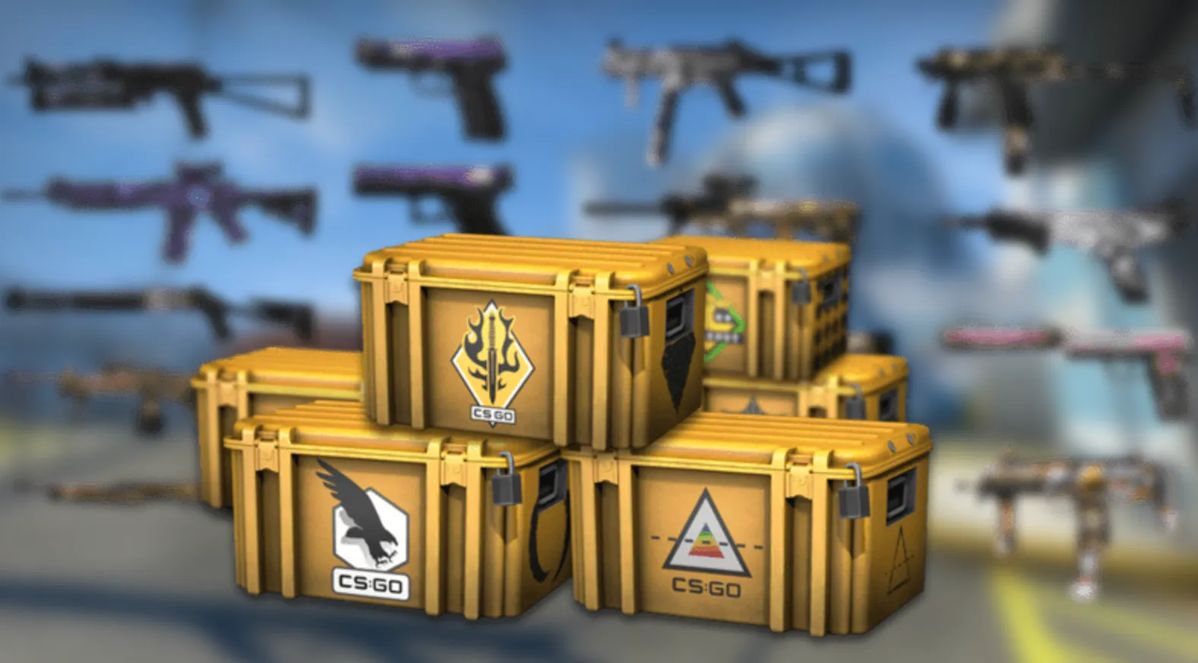
Valve’s presentation presents three main arguments against labeling its activity as gaming:
First, Valve claims that there is no real “gamble” or “risk,” as “each player always receives exactly what they paid for, one skin per mystery box.” The filing notes that while users may value skins subjectively, they are not considered money, property, tokens exchangeable for money or property, credits or pledges under New York gaming law.
Second, Valve compares these cases to popular collectibles like baseball cards, Labubus, comic book bags, cereal toy boxes, and Happy Meal prizes. The filing states: “People enjoy surprises. Part of the appeal of many collectibles, from baseball cards to cereal boxes, is the ability to open a sealed package and obtain a rare item. No legislature or court has ever considered that act to be illegal gambling.”
Third, Valve maintains that a ruling in favor of New York could have wide-ranging consequences. The presentation asks if parents could buy packs of baseball cards for their children, or if families could go to Chuck E. Cheese to play games of chance and exchange tickets for prizes.
It raises concerns that such actions, such as a child reaching into a cereal box and grabbing a jack-in-the-box toy, could become chargeable offenses under the state attorney general’s interpretation of the game.
Why Valve Compares Counter-Strike Loot Boxes to Baseball Cards and What New York Wants
The New York case argues that Counter-Strike skins have monetary value because players can resell them through Steam and third-party trading sites, and some weapon skins allegedly trade for very large sums. Valve’s response applies the same reasoning to collectibles.
The record sale for a baseball card is a 2013 Bowman Chrome Draft Superfractor Aaron Judge rookie card, which sold privately for $5.2 million. The presentation points out that the existence of a secondary market does not transform an item into in-game currency.
The state’s lawsuit seeks damages equal to three times Valve’s profits from the loot boxes and asks for a court ruling that Valve cannot sell loot boxes in New York in the future. Valve is asking the court to dismiss the case with prejudice, which would prevent it from being filed again.
Existing changes to the Counter-Strike 2 loot box
Valve has made changes to Counter-Strike 2’s loot box system in recent years. Players now have the option to receive weekly rewards and can avoid opening random item boxes if they prefer.
Some of these changes were driven by regulators rather than voluntary. In Germany, Valve was required to include an element showing the contents of a case before opening it to comply with German gambling laws. This requirement does not currently apply in the United States or other markets.
A decision on Valve’s request to dismiss the case has not yet been scheduled. Meanwhile, a separate class-action loot box lawsuit against Valve is underway in another court.




